


The Sambar-Chawal Diet
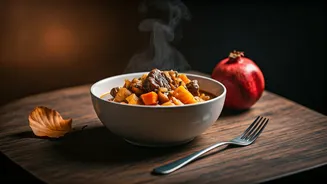
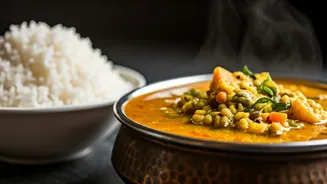
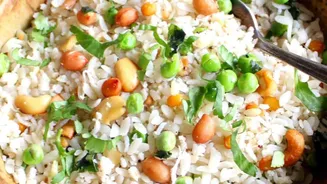
Eating sambar-chawal for lunch regularly means you're consuming a specific set of nutrients every day. The dish, consisting of lentil-based vegetable stew
(sambar) and rice (chawal), offers carbohydrates, proteins, and essential nutrients. However, the consistency and quantity of the meal play a huge role in its impact on the body. Rice is a primary carbohydrate source, contributing significant energy levels. Sambar gives protein, minerals, and vitamins from the lentils and veggies. The choice of vegetables and the method of cooking influence the overall nutritional value. It's a balanced meal in many ways but might lack other important nutrients depending on the preparation.
Carbohydrate Impact
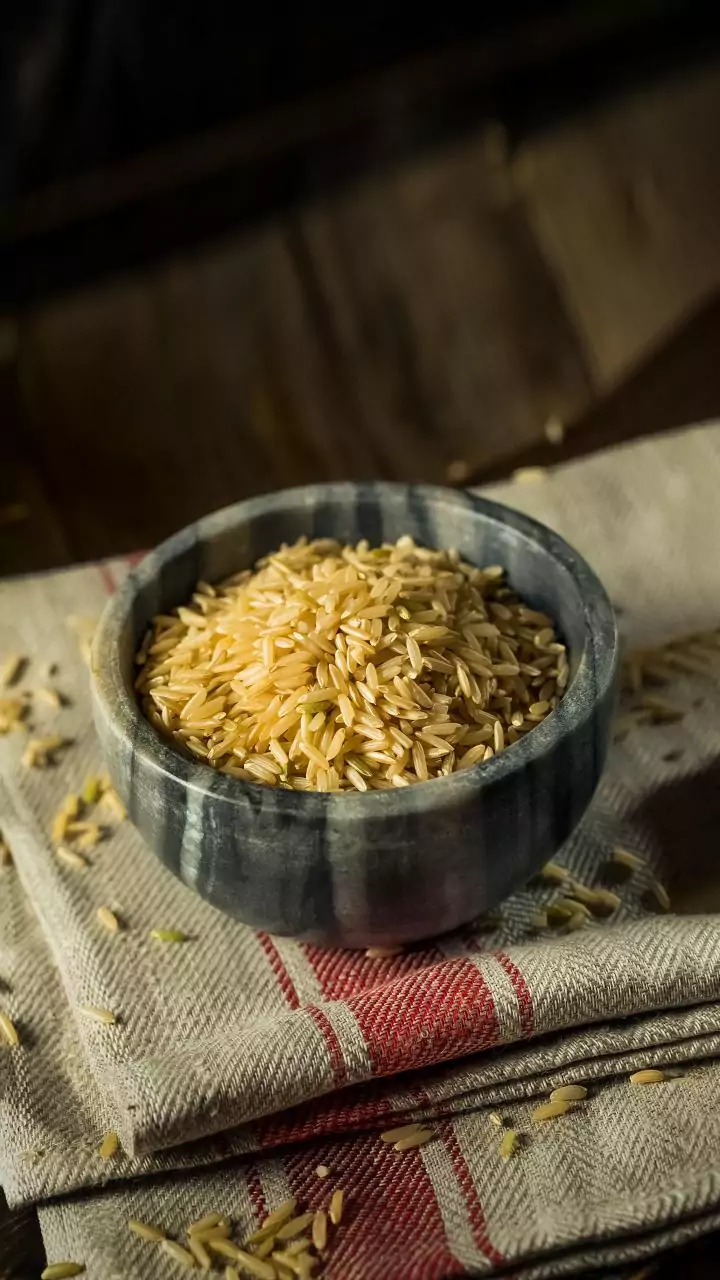
The high carbohydrate content in sambar-chawal from the rice is a key consideration. Carbs are broken down into glucose, providing energy. Regularly eating sambar-chawal, particularly if the portion sizes are large, could lead to a consistent supply of glucose. This could cause spikes and drops in blood sugar levels throughout the day. Over time, high blood sugar can impact insulin sensitivity, and can possibly contribute to a higher risk of developing health problems, if the body's processes can't control the sugar levels. Portion control and the type of rice (e.g., brown rice vs. white rice) can affect how your body manages carbohydrates. Brown rice offers more fiber, which can slow down digestion and stabilize blood sugar.
Protein & Nutrient Intake
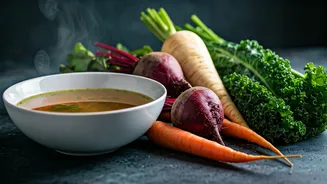
Sambar, with its lentils and vegetables, provides the protein and various essential nutrients. Lentils offer a good amount of protein, which is vital for cell repair and growth, especially in a vegetarian diet. Sambar also supplies dietary fiber, minerals like iron, and vitamins. The vegetables added contribute antioxidants, vitamins, and minerals that support overall health. If sambar includes a variety of vegetables, it can offer a wide spectrum of nutrients, providing a rich diet. However, if the sambar primarily contains fewer types of vegetables, the nutritional diversity may be limited. Combining sambar-chawal with other varied foods helps to guarantee that you're getting all the nutrients the body needs.
Fiber's Role in Digestion
Fiber is another important aspect of sambar-chawal, particularly if brown rice or vegetables with high fiber content are used. Fiber aids in digestion, helps prevent constipation, and promotes a feeling of fullness. This can help with weight management by reducing overeating. High-fiber diets are also associated with a lower risk of heart disease and type 2 diabetes. However, too much fiber can cause digestive issues such as bloating and gas, especially if your body isn’t used to this level of intake. Balancing the fiber content and ensuring you drink enough water is essential for your digestive health. The type of fiber (soluble vs. insoluble) in sambar-chawal also affects its role in health.
Weight Management Implications
The impact of sambar-chawal on weight management depends on portion sizes, preparation methods, and overall diet. The dish, in itself, isn’t inherently fattening, but the calorie intake from large portions of rice can contribute to weight gain. If the sambar is rich in oil, it adds more calories. The balance of nutrients in sambar-chawal, like the protein and fiber content, can promote fullness and prevent overeating. For those trying to manage their weight, it is important to balance the amount consumed. Pairing sambar-chawal with other nutritious foods and regular physical activity can support weight management efforts. Regularly eating the right portions and adapting the cooking methods to healthier alternatives can assist in maintaining a healthy weight.
Potential Health Risks
While sambar-chawal is generally a wholesome meal, eating it daily can present some potential health risks. Overreliance on the dish might lead to a nutritional imbalance. It may be missing certain micronutrients if the variety of vegetables in sambar is not sufficient. A high-carbohydrate diet, coupled with low physical activity, can increase the risk of insulin resistance and weight gain. Consuming the dish frequently might make it difficult to incorporate diverse foods into the diet, potentially causing nutrient deficiencies. Balancing sambar-chawal with different foods and monitoring portion sizes is important. For individuals with particular health conditions, such as diabetes, careful monitoring of blood sugar levels is important.
Making It Healthier
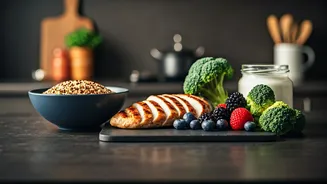
There are several ways to improve the nutritional profile of your sambar-chawal for daily consumption. Using brown rice over white rice boosts the fiber content and provides more nutrients. Adding a variety of vegetables in the sambar can increase the intake of micronutrients and antioxidants. Limiting the amount of oil used in cooking is also beneficial. You can control your portion sizes to manage calorie intake. You can include other protein sources or a side dish of protein-rich foods, such as sprouts or lentils, to make the meal even more balanced. Also, ensuring that you have other foods throughout the day helps you maintain a balanced diet and helps the body obtain the nutrients it requires.