







Antibiotic Resistance Explained
The growing ineffectiveness of antibiotics is a significant global health concern, and this phenomenon occurs when bacteria change and develop the ability
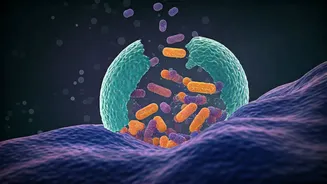
to defeat the drugs designed to kill them. This resistance arises through genetic mutations, often amplified by the misuse of antibiotics, such as their over-prescription or use in agriculture. As bacteria evolve, they can render antibiotics useless, leading to prolonged illnesses, increased healthcare costs, and even death. The IISER Pune research pinpointed a previously unknown way bacteria have to evade these drugs, thus adding a new layer to the understanding of antibiotic resistance and providing important information on how to overcome it. Proper antibiotic use is one of the important tools in tackling this increasing challenge, including taking the full dose as prescribed by a doctor, using antibiotics only when needed, and supporting research into new antibiotics and treatments.
IISER Pune's Breakthrough
Scientists at the Indian Institute of Science Education and Research (IISER) Pune have made a key discovery about the inner workings of bacterial resistance. Their findings revealed that bacteria are not just developing new defenses; they're also adapting existing mechanisms. This research marks a notable step towards understanding the intricate processes that underlie antibiotic resistance. The research adds to the growing body of knowledge on how bacteria are changing in response to the pressure exerted by antibiotics. Understanding these intricacies is critical for creating new treatments and strategies to combat drug-resistant infections. The findings emphasize the need for continued scientific investigation, with the goal of creating new drugs and treatment methods to combat antibiotic resistance.
Impact on Healthcare
The emergence of antibiotic-resistant bacteria has a wide range of negative consequences for healthcare systems. Infections that were once easily treatable with antibiotics are now becoming more difficult, leading to longer hospital stays, the need for more expensive treatments, and an increased risk of complications and death. It significantly increases the expenses for healthcare systems and contributes to heightened death rates, making treatment options more difficult and contributing to overall public health challenges. The IISER Pune research emphasizes the urgent need for a shift in healthcare policies to fight against drug resistance, including encouraging more responsible antibiotic usage and investing in new medicines. Through better methods and new solutions, the study opens the way for enhanced patient care and public health.
Future Research Directions
IISER Pune's discoveries open the path for future research in several promising areas. Further investigation into the newly discovered bacterial mechanisms could help in creating drugs that are able to effectively bypass these defenses. This involves the use of more potent antibiotics, and the development of new classes of antibiotics that function in novel ways, making it harder for bacteria to develop resistance. The study also stresses the significance of investigating the genetic aspects of resistance, in order to gain a complete understanding of how resistance spreads and evolves. It involves a collaborative, interdisciplinary approach that brings together microbiologists, biochemists, and clinicians to find comprehensive solutions to the rising threat of antibiotic resistance. The main aim is to develop new strategies and treatment protocols that protect the health of individuals.