





Temporary Pleasures vs. Lasting Joy
An ancient Chinese proverb, "If you would be happy for a week, take a wife; if you would be happy for a month, kill a pig; but if you would be happy all
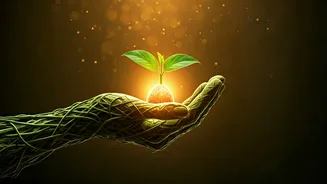
your life, plant a garden," offers a compelling framework for understanding different types of happiness. While marriage and celebratory feasting provide short-term exhilaration, the act of planting a garden symbolizes a far deeper, more sustainable form of contentment. This saying, passed down through generations, isn't just poetic; it's a shrewd observation on human psychology and the pursuit of fulfillment. In a world increasingly dominated by instant gratification and fleeting digital distractions, this proverb serves as a potent reminder that true, lasting happiness is often a slow-growing process, nurtured through dedication and consistent effort, rather than an immediate reward.
The Garden Metaphor Unveiled
The proverb's core message lies in its powerful metaphor of the garden. Unlike the immediate bursts of joy from events like a wedding or a lavish meal, a garden requires consistent care, patience, and a willingness to embrace the natural rhythms of growth. One must sow seeds, provide water, and endure the changing seasons, often facing setbacks along the way. The happiness derived from gardening isn't solely tied to the final bloom; it's intrinsically linked to the daily rituals, the mindful attention, and the slow unfolding of life. This deliberate process teaches valuable lessons about perseverance and finding satisfaction in the journey itself, a stark contrast to the ephemeral nature of quick pleasures that fade as rapidly as they appear. The proverb suggests that enduring happiness is cultivated through sustained engagement, not merely stumbled upon.
Modern Relevance of Ancient Wisdom
The enduring relevance of this centuries-old proverb in contemporary society is striking, particularly in discussions surrounding burnout and mental well-being. Our modern environment is saturated with immediacy – rapid food delivery, endless entertainment streams, and instant social media feedback. While these offer frequent, short-lived pleasures, they often leave individuals feeling emotionally depleted and restless. This ancient Chinese saying subtly critiques this cycle, proposing that genuine fulfillment stems from slower, more deliberate pursuits. It champions the value of routine, purpose, and consistent effort, which are often overshadowed by the allure of instant highs. The proverb's message encourages a re-evaluation of our priorities, advocating for happiness that is deeply rooted and steadily nurtured, rather than superficially chased.
Gardens as Symbols of Serenity
Across numerous cultures, gardens have historically been revered as spaces embodying balance, harmony, and profound introspection. Their serene atmosphere is not accidental; it stems from the inherent rhythm of nature. Plants grow at their own pace, seasons shift without regard for human deadlines, and the natural world operates independently of digital notifications or fleeting trends. This slower cadence, inherently present in gardening, offers a powerful antidote to the stresses of modern life. It is perhaps why gardening has seen a surge in popularity, especially during periods of global uncertainty. The repetitive, grounding nature of tending to plants provides a sense of calm and connection, aligning with psychological insights that emphasize the therapeutic benefits of repetitive care and immersion in nature for emotional well-being.
Beyond Literal Gardening
The 'garden' in this proverb is a versatile metaphor, extending far beyond the literal act of horticulture. For many, it can represent nurturing significant relationships, dedicating oneself to a craft, raising a family, contributing to a community, pursuing personal growth, or engaging in meaningful work. The underlying principle is the requirement of sustained attention, dedication, and patience over an extended period. Whether it's cultivating deep friendships over decades, mastering a skill through years of practice, or the demanding yet rewarding journey of parenthood, these endeavors mirror the essence of planting and tending a garden. The proverb articulates that lasting rewards are typically the result of consistent cultivation, growing gradually through devoted effort rather than manifesting as sudden, instantaneous achievements.
Understanding Hedonic Adaptation
The rapid fading of temporary pleasures is a well-documented phenomenon, often referred to by psychologists as 'hedonic adaptation.' When we experience a surge of excitement, whether from acquiring a new possession, achieving a goal, or enjoying a festive occasion, the heightened emotional state eventually subsides, returning us to our baseline. This leads many to constantly seek newer, bigger, or better experiences in hopes of a more enduring sense of satisfaction – upgrading phones, chasing promotions, or accumulating online followers. However, the novelty often wears off quickly. The Chinese proverb astutely observes this pattern by contrasting the fleeting joy of a pig feast with the continuous engagement required by a garden. The latter fosters ongoing meaning because it necessitates sustained care and participation, making the difference between temporary gratification and enduring fulfillment much more significant than often perceived.
The Appeal to Younger Generations
There's a noticeable trend among younger demographics embracing slower lifestyles, mindful hobbies, and grounding routines. Online platforms showcase a burgeoning interest in gardening, elaborate home cooking, deliberate reading practices, and peaceful living vlogs, garnering millions of views. This movement appears to be a direct response to the pervasive exhaustion linked to constant digital stimulation. Individuals are increasingly seeking tranquility and a sense of calm. The ancient Chinese proverb acts as an elder voice in this conversation, gently advocating that sustainable happiness is cultivated through nurturing meaningful endeavors, rather than perpetually chasing the next exciting rush. Modern audiences may be rediscovering this wisdom as fast-paced lifestyles often lead to emotional fatigue, making the idea of slow, deliberate growth profoundly appealing.
Enduring Power of Old Sayings
The internet is a fertile ground for novel phrases and ephemeral trends, yet ancient proverbs continue to achieve remarkable widespread reach. This persistence speaks volumes about fundamental human nature. While technology and societal norms evolve rapidly, core human emotions and experiences remain remarkably constant. People continue to seek happiness, grapple with impatience, manage stress, pursue ambition, combat loneliness, and search for meaning. An adage penned centuries ago can still resonate deeply because the underlying emotional landscapes it addresses are timeless. The effectiveness of this Chinese proverb, in particular, lies in its simple yet universally understandable imagery – the stark contrast between a quick indulgence and something painstakingly nurtured over years. This clarity is the bedrock of its enduring power and widespread appeal.
Cultivating a Fulfilling Life
A key insight from the proverb is its nuanced perspective on happiness; it doesn't dismiss fleeting joys entirely. Celebrations, relationships, and moments of pleasure are acknowledged as valuable. However, it strategically positions them as transient by nature, contrasting them with the deeper, more enduring happiness that requires sustained effort. In today's world, many inadvertently construct lives centered around immediate gratification, often overlooking the subsequent emotional void. The proverb offers a counter-narrative: a path to sustained well-being through deliberate cultivation. The specific 'garden' may vary – a relationship, a skill, a family, a community, a meaningful routine, or literal nature – but the underlying principle remains consistent. The most profound and lasting joys in life are those that are nurtured slowly and consistently over time.