





Honey's Healing Touch
For over 15,000 years, honey has been a cornerstone of skincare, prized for its remarkable moisturizing, healing, and antibacterial qualities. Applied
directly to the face, it left skin feeling calmer, clearer, and wonderfully hydrated. Beyond its cosmetic benefits, ancient civilizations recognized honey's potent ability to aid in wound healing. Its sticky nature, while sometimes challenging, was a testament to its powerful antimicrobial properties, making it an unparalleled natural remedy for mending injuries, much like a precious balm sought after for its restorative power.
Cleopatra's Milk Bath
The legendary Queen Cleopatra's bathing habits are whispered through history, most famously her preference for bathing in fresh milk. This opulent ritual was said to maintain her skin's enduring smoothness, suppleness, and radiant glow. Milk's magic lies in its natural lactic acid content, a gentle yet effective exfoliant that diligently sloughs away dull, dead skin cells. This process unveils the fresher, more vibrant skin beneath, bestowing a luminous and healthy complexion over time through consistent care and indulgence.
Snail Mucus Marvels
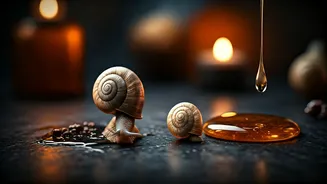
Though a global trend today in refined serums, snail mucus was once used quite literally, with snails allowed to traverse faces. This early application harnessed the mucus's rich composition of peptides, antioxidants, and hyaluronic acid. These powerful components work synergistically to fortify the skin's natural barrier, deliver profound hydration, and offer significant anti-aging advantages, showcasing an ancient understanding of potent natural ingredients long before modern cosmetic science.
Animal Residue Treatments
Ancient beauty practices sometimes ventured into unconventional territories, incorporating various animal-derived ingredients, even excrement, for skincare. Treatments utilized substances like crocodile and cow dung, alongside goat and camel milk, for their nourishing and exfoliating properties. Fortunately, the most common animal-derived ingredients from that era, honey and milk, are still embraced in contemporary beauty routines, albeit in more refined forms than their ancient predecessors.
Sheep Wool Moisturizer
The Romans adopted a unique approach to nighttime skincare by utilizing lanolin, a substance derived from sheep's wool. This innovative moisturizer was celebrated for its ability to enhance the skin's protective barrier and provide deep, lasting hydration, resulting in skin that felt exceptionally soft, supple, and well-protected. Despite its less-than-fragrant aroma, lanolin proved exceptionally effective at sealing in moisture and reinforcing the skin's defenses, a principle still recognized today in various balms and heavy-duty moisturizers.