





Misjudging Potassium Intake
A significant concern for many is the fear of potassium, leading to the avoidance of nutrient-dense foods like tomatoes, sweet potatoes, spinach, beans,
and bananas. While vigilance is necessary for some, Dr. Aseem Thamba, a Consultant Nephrologist, points out that for individuals with normal potassium levels, this restriction can be detrimental. By eliminating these foods, people miss out on vital fiber, magnesium, folate, and antioxidants. These nutrients play a crucial role in managing blood pressure, maintaining gut health, and supporting cardiovascular well-being, all of which are intrinsically linked to kidney health. For those with healthy kidneys, these vegetables are not enemies but allies, offering protective benefits rather than causing harm. Overly restricting these can indirectly jeopardize the very organs you aim to protect.
The "Plant-Based" Trap
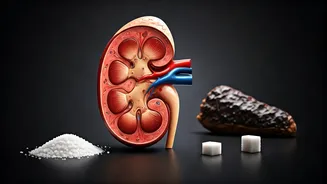
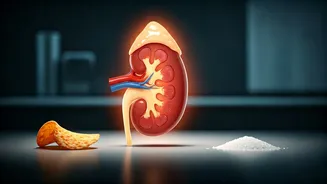
The popular notion that all plant-based foods are inherently beneficial for kidney health needs critical examination. Dr. Thamba emphasizes that the 'plant-based' label doesn't automatically equate to kidney-friendliness. Many processed items marketed as vegan, such as mock meats, vegan cheeses, and pre-packaged snacks, often fall into the ultra-processed food category. These products can be laden with high levels of sodium, phosphorus additives, and preservatives. Excessive sodium intake is a known contributor to elevated blood pressure and proteinuria, while high phosphorus levels, particularly from additives, can place an undue burden on the kidneys even before noticeable changes appear in medical tests. Therefore, it's crucial to scrutinize the ingredients and processing of 'plant-based' options, understanding that factory-produced items may pose risks.
Protein Diet Overload
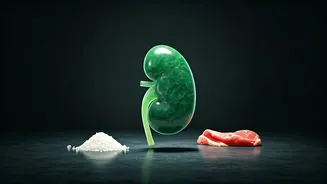
High-protein diets are frequently promoted as a universal health solution, but for kidney health, a more nuanced approach is essential. Dr. Thamba suggests that for individuals with healthy kidneys, a protein intake of 1.0–1.2g/kg body weight is generally considered safe and adequate for bodily functions. However, excessively high protein consumption, especially from sources like protein powders, supplements, and copious amounts of red meat, can pose significant risks for individuals with undiagnosed or established chronic kidney disease. This aggressive protein intake can increase the pressure within the glomeruli (the filtering units of the kidney) and augment the overall workload on these organs, potentially accelerating the progression of damage in kidneys that are already compromised.
Meal Skipping Stress
When navigating the complexities of managing a health condition like kidney disease, the idea of skipping meals might seem like an easier way to avoid difficult dietary decisions. However, Dr. Thamba cautions that this strategy can introduce a new set of problems. Frequent skipping of meals can lead to significant dehydration, episodes of low blood pressure, and an unwanted breakdown of muscle tissue. Dehydration impairs blood flow to the kidneys, while fluctuating blood sugar and blood pressure levels can exacerbate two of the primary risk factors associated with kidney damage. Maintaining a consistent pattern of regular, balanced meals is vital for ensuring stable kidney perfusion and supporting optimal metabolic function.
Diet Plan Expectations
A common misconception is that a doctor will provide a definitive, all-encompassing diet chart for kidney management. Dr. Thamba clarifies that kidney nutrition is rarely a one-size-fits-all prescription. The dietary requirements are dynamic and significantly influenced by an individual's laboratory results, current medications, and the specific stage of their kidney disease. Relying solely on a generic food list can lead to unnecessary dietary restrictions, potential nutritional deficiencies, or overlooking critical warning signs. Ultimately, maintaining kidney health requires an active, collaborative partnership between the patient and their healthcare provider, rather than passively receiving a rigid dietary plan.