


The Peril of "Natural" Fixes
The internet often champions 'natural' ingredients for skincare, but this doesn't equate to safety. Many viral DIY remedies, especially those involving
raw food items, pose significant risks to your skin barrier. For instance, using raw egg whites for pore tightening can introduce Salmonella, a serious bacterial risk. Similarly, homemade concoctions like oatmeal and milk pastes, lacking proper preservatives, can become breeding grounds for harmful microbes within 48 hours. Applying such spoiled mixtures to compromised skin can swiftly lead to fungal infections and severe breakouts, turning your vanity into a hazardous experiment zone. The fundamental message is clear: your kitchen ingredients belong in your meals, not on your skin. Resist the urge to create 'salads' for your face and instead enjoy them as they were intended – for consumption.
Microscopic Trauma from Scrubs
Physical exfoliants derived from kitchen staples like sugar and coffee grounds inflict considerable harm on facial skin. Despite their common use, these granular substances, when magnified, appear as sharp fragments resembling microscopic glass shards. Aggressively scrubbing these into your delicate facial pores leads to numerous tiny tears across the epidermis, a process far removed from beneficial exfoliation. This 'trauma' causes the skin to lose moisture rapidly, resulting in severe dehydration and increased vulnerability to premature aging. Dermatologists recommend controlled exfoliation methods, often involving gentle acids, as a safer and more effective alternative. These kitchen scrubs are best reserved for areas with thicker skin, such as elbows, rather than the sensitive face.
The Lemon Squeeze Hazard
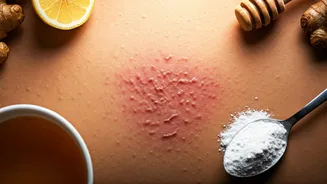
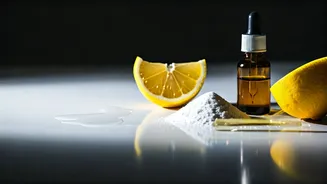
Applying raw lemon juice to the skin for a supposed brightening effect is a dangerous practice due to its extremely low pH. While healthy skin thrives in a slightly acidic environment around pH 5, lemons are drastically more acidic, with a pH close to 2, akin to battery acid. This harshness doesn't brighten the complexion but rather induces a localized chemical burn. Furthermore, lemons contain compounds called psoralens. If you expose your skin to sunlight after applying a lemon-based mask, you risk developing phytophotodermatitis, a severe reaction characterized by blistering and intense inflammation. For individuals with melanin-rich Indian skin tones, this seemingly harmless hack can leave behind stubborn dark marks that are incredibly difficult to fade, often taking months to resolve.
Baking Soda: The Alkaline Threat
Baking soda, often promoted as a natural exfoliant, presents a significant alkaline threat to the skin's delicate balance. With a pH of 9, it is aggressively basic and actively demolishes the skin's protective acid mantle. When the skin's pH is forcibly elevated, its essential lipids, crucial for defense, are stripped away. This disruption creates an ideal environment for acne-causing bacteria to proliferate, leading to breakouts. Instead of 'drying out' a pimple, applying baking soda compromises the structural integrity of the surrounding skin tissue, paving the way for chronic dryness and a subsequent surge in oil production as the skin attempts to compensate for the damage.
Essential Oils: Potent Dangers
While essential oils like tea tree and lavender are touted for their natural origins and pleasant scents, their concentrated nature poses substantial risks when applied directly to the skin. These oils are highly volatile and extremely concentrated plant chemicals. The assumption that their agreeable fragrance makes them safe for generous application is a misconception. Dermatologists frequently treat cases of Allergic Contact Dermatitis stemming from this very habit. Compounds within these oils, such as linalool, can trigger severe and compounding sensitization over time. While initial use might seem harmless, the immune system can eventually react aggressively, resulting in intensely itchy, weeping rashes. It's a crucial reminder that many natural substances, much like poison ivy, can elicit adverse reactions.