






Beyond Medication: Lifestyle's Power
The common perception is that high blood sugar necessitates immediate medical intervention. However, this isn't always the case, particularly in the nascent
or borderline stages of elevated glucose. As Dr. Pranav Ghody, a leading Endocrinologist and Diabetologist, explains, our daily routines wield substantial influence over whether blood sugar levels stabilize or escalate uncontrollably. For individuals in the early phases, such as prediabetes or newly identified mild glucose elevations, even minor adjustments can usher in significant positive changes. Losing even a modest amount of weight and incorporating regular physical activity can lead to noticeable improvements. A key mechanism at play is the reduction of abdominal fat, which directly enhances insulin sensitivity, enabling the body to process glucose more effectively. Nevertheless, it's crucial to understand that this approach has its limits. Medication becomes indispensable when lifestyle modifications, despite earnest efforts, fail to bring sugar levels down, when symptoms are severe, or when there's a palpable risk of long-term damage to vital organs like the kidneys, eyes, nerves, and heart. In such scenarios, delaying pharmacological treatment can indeed pose serious health risks.
Dietary Wisdom for Indians
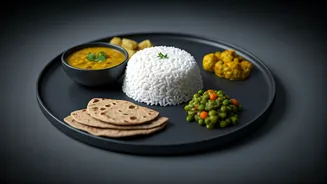
When it comes to managing blood sugar, particularly within the Indian context, dietary choices are paramount. Dr. Ghody suggests focusing on balanced meals that incorporate a generous amount of vegetables, pulses, curd, nuts, and whole grains. These components work synergistically to slow down the rate at which sugar is absorbed into the bloodstream. Beyond the composition of food, the quantity consumed is equally critical; portion control is non-negotiable. While traditional foods like rice and roti are staples, consuming them in large quantities can still lead to significant spikes in blood sugar levels. Certain food categories warrant careful limitation. Refined carbohydrates such as white rice and products made from refined flour, alongside sweets, sugary drinks, and frequent consumption of fried snacks, are known to cause sharp and rapid glucose surges and should be consumed sparingly. Prioritizing home-cooked meals and maintaining regular, evenly spaced eating intervals are also recommended strategies to prevent drastic fluctuations in blood glucose throughout the day.
Movement, Rest, and Stress
While diet often captures the spotlight in blood sugar management, the significance of physical activity, adequate sleep, and stress reduction cannot be overstated; these elements are just as vital. Regular physical exertion directly boosts insulin sensitivity, facilitating the movement of glucose from the bloodstream into the body's cells for energy, rather than letting it accumulate. Even seemingly minor activities, like a brisk daily walk, can yield a substantial positive impact on blood sugar readings. Furthermore, the often-overlooked aspects of sleep and stress play a direct role through hormonal pathways. Insufficient sleep and prolonged periods of stress trigger the release of hormones such as cortisol, which unfortunately has the effect of elevating blood sugar levels. Therefore, a holistic approach that integrates mindful eating with consistent movement, restorative sleep, and effective stress management techniques is essential for comprehensive blood sugar control.