







Initial Concerns Addressed
The combination of a severe headache and very high blood pressure, such as a reading of 208/93 mmHg, is a critical health concern. When blood pressure reaches
such levels, there's a significant risk of various health complications. The severity of the headache, combined with the elevated blood pressure, suggests a potential underlying issue that needs immediate medical evaluation. It's crucial not to dismiss these symptoms, regardless of how mild other symptoms may seem. A headache in this scenario is not merely a common ailment; it's a potential warning sign that must be addressed swiftly to prevent severe health consequences, such as stroke or heart attack. Seeking immediate medical attention is highly advisable because a timely intervention can prevent the condition from worsening and ensure proper management.
Why This Happens
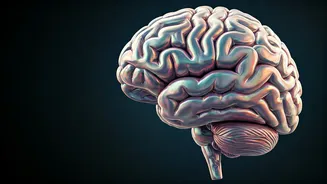
Very high blood pressure, or severe hypertension, can cause a headache due to several physiological mechanisms. Elevated blood pressure puts excessive stress on blood vessel walls, including those in the brain. This stress can damage the blood vessels or cause them to dilate, leading to headaches. Furthermore, high blood pressure can disrupt blood flow to the brain. This impaired blood supply can deprive brain tissues of oxygen and nutrients, which triggers headaches. Moreover, extreme hypertension can lead to the breakdown of the blood-brain barrier. When this happens, it allows harmful substances to enter the brain tissue, potentially causing inflammation and headaches. In some instances, very high blood pressure can also lead to hypertensive encephalopathy, a condition characterized by swelling of the brain, which causes severe headaches and other neurological symptoms. This is why such symptoms warrant immediate medical care.
Immediate Actions Required
If you or someone you know experiences a severe headache with very high blood pressure, immediate medical attention is essential. Call emergency services or go to the nearest emergency room without delay. Do not wait for symptoms to worsen. While awaiting medical help, keep the person calm and in a comfortable position, preferably lying down. Monitor their blood pressure and any other symptoms they may have, such as chest pain, vision changes, or confusion. Provide this information to the medical professionals. Avoid giving any medication unless specifically prescribed by a doctor because some drugs can affect blood pressure and could worsen the situation. Ensure that the person avoids any strenuous activities or stress, which could further elevate blood pressure. The goal is to stabilize the person's condition and prevent potential complications associated with uncontrolled hypertension.
Post-Treatment Care
Following treatment for a severe headache with very high blood pressure, the patient must follow the doctor's instructions meticulously. The healthcare provider may prescribe medications to lower blood pressure and manage any underlying issues. Regular monitoring of blood pressure is essential to ensure that it remains within a safe range. Patients should adopt a healthy lifestyle that supports heart health. This includes eating a balanced diet that is low in sodium, regular exercise, and avoiding tobacco and excessive alcohol consumption. Regular follow-up appointments with the doctor are vital to monitor progress and adjust treatment as needed. Patients should be aware of the symptoms of high blood pressure and any potential complications. Promptly report any new or worsening symptoms. Also, manage stress, as it can significantly impact blood pressure levels. Consider relaxation techniques like yoga or meditation.