






The AI Memory Squeeze
The global demand for memory chips, crucial for both consumer electronics and cutting-edge AI development, has created a significant supply constraint.
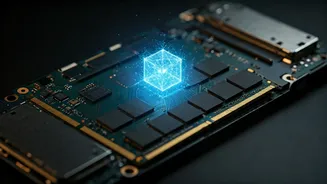
Companies heavily invested in AI, such as those operating large data centers for artificial intelligence training and processing, are securing long-term supply agreements with major memory manufacturers. These manufacturers, including the dominant players like Samsung, SK Hynix, and Micron (who together control roughly 93% of the market), are prioritizing these lucrative AI contracts. Consequently, the availability of RAM for everyday devices like smartphones and laptops has diminished, driving up their cost. This isn't a new phenomenon; a similar, albeit less severe, shortage occurred during the pandemic. However, the current situation is exacerbated by the sheer volume of memory required for AI, which far surpasses that needed for typical consumer gadgets. For instance, high-bandwidth memory (HBM) used in AI-focused GPUs, like Nvidia's Rubin, can utilize up to 288GB, a stark contrast to the 8GB to 16GB found in most smartphones. This prioritization means even large smartphone manufacturers might have to compete fiercely for memory supplies, potentially impacting their production costs and profit margins.
Price Hikes Across Brands
The ripple effect of the memory shortage is already evident across various smartphone brands, with even premium manufacturers compelled to adjust their pricing strategies. Companies known for absorbing cost increases are now passing them on to consumers. For example, a notable price jump has been observed in recent smartphone launches. The base price for new flagship series has seen a significant increase compared to their predecessors, with some models experiencing a jump of over 20%. This trend isn't limited to high-end devices; even mid-range and budget-friendly lines are being affected, indicating a widespread impact on the entire market. Manufacturers are finding it increasingly difficult to maintain previous price points due to the surge in component costs, particularly for memory. This forces them to either increase the retail price or, in some cases, adjust the specifications of their devices, potentially offering less RAM to keep costs manageable. This strategy shift is a direct response to the challenging supply chain dynamics driven by the intense demand from the AI sector.
Mid-Range Devices Hit Hardest
The mid-range smartphone segment, typically a battleground for value and features, is experiencing the brunt of the memory crunch. These devices, often priced between Rs 20,000 and Rs 50,000 in India, represent a substantial portion of the market that manufacturers cannot afford to overlook. However, the thin profit margins inherent in this segment make it particularly vulnerable to rising component costs. The low-end market, crucial for bridging the digital divide in developing nations, is facing an even more severe crisis. Manufacturers may find it economically unfeasible to continue producing ultra-affordable phones at their previous price points, potentially leading to either a halt in new budget device launches or significant price increases that push them out of the 'affordable' category. Experts predict that devices previously priced around $100 could soon cost upwards of $150-$200. This scenario forces a difficult choice for consumers: either pay more for a less powerful device or compromise on essential features. The impact is universal, affecting both domestically manufactured and imported phones, as the core issue lies in the global RAM supply chain.
The Future of On-Device AI
The push towards 'AI phones,' where artificial intelligence processing is intended to occur directly on the device rather than in the cloud, is facing a significant hurdle due to the current memory crisis. On-device AI promises benefits like enhanced speed, improved privacy, and offline functionality, but it requires substantial processing power and, crucially, more RAM. The current shortage challenges the feasibility of this vision, potentially forcing manufacturers to re-evaluate their strategies. While some might revert to lower RAM configurations, like 8GB, for new devices in 2026, this could compromise the on-device AI experience, even if sufficient for basic tasks. Furthermore, phones with less RAM are less future-proof, especially as users tend to hold onto their devices for longer periods. This presents a dilemma for manufacturers: equip devices with less RAM to meet current cost pressures, thereby impacting future AI capabilities, or find innovative ways to make on-device AI efficient on less memory. The long-term RAM shortage, projected to persist well into 2027, means these challenges will likely shape smartphone development for the next few years.