


High Flame Myth
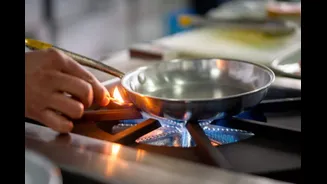
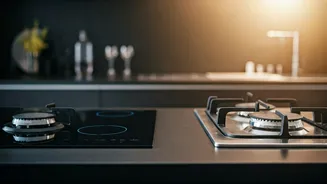
Many home cooks assume that a roaring high flame cooks food faster, leading to a misconception about efficiency. However, this intense heat often dissipates
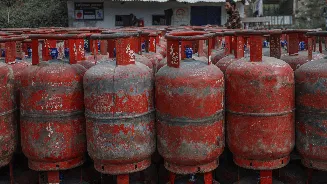
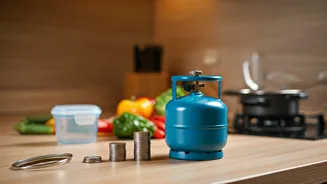
around the cooking vessel rather than being fully absorbed by the food. A more moderate or low flame typically ensures that heat is concentrated where it needs to be, resulting in more effective cooking and a noticeable reduction in gas consumption over time. This gentle approach can significantly prolong the lifespan of your LPG cylinder, offering both economic and practical benefits for household budgeting.
The Power of Lids
Failing to use lids on pots and pans during cooking is a significant contributor to unnecessary gas wastage. When a vessel is left uncovered, a substantial amount of heat escapes into the surrounding air, prolonging the cooking duration. This means the burner must remain lit for a longer period, consuming more LPG. By simply placing a lid on your cooking pot, you effectively trap the heat within, accelerating the cooking process and subsequently reducing the overall time the gas stove is in use, leading to considerable savings.
Prep Before Ignition
A common pitfall in many kitchens is turning on the gas stove before all cooking ingredients are prepared or readily accessible. This practice leads to the burner being active while the cook is still engaged in tasks like chopping vegetables or measuring spices. During this idle time, gas is being consumed without contributing to the actual cooking process. To prevent this waste, it's far more efficient to complete all necessary preparation steps before igniting the stove, ensuring that the flame is utilized solely for cooking and maximizing fuel efficiency.
Burner-Utensil Match
Ensuring that your cooking utensil is the correct size for the burner is crucial for efficient gas usage. Placing a small pot or pan on a large burner can cause the flames to spread outwards beyond the base of the utensil. This wasted heat and flame don't contribute to cooking the food and instead represent a direct loss of LPG. Conversely, using a burner that is appropriately sized for your cookware ensures that the flame is concentrated effectively, maximizing heat transfer and minimizing gas expenditure.
Soak Grains & Pulses
Cooking hard ingredients like beans, lentils, and chickpeas can be a time-consuming process that consumes a lot of gas if they are not properly prepared beforehand. Failing to soak these items can significantly extend their cooking time, as the stove needs to be on for much longer to soften them. By soaking pulses and grains for several hours before cooking, they become significantly softer, requiring less time on the stove. This simple step drastically reduces cooking duration and, consequently, your LPG consumption.
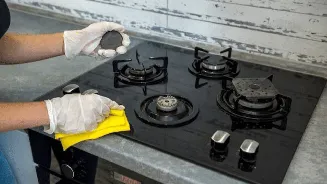
Clean Burners Vital
Over time, food particles and grease can accumulate on gas stove burners, leading to blocked flame holes. This obstruction results in an uneven or weak flame, which is less efficient for cooking. Inefficient combustion means that more gas is required to achieve the desired cooking temperature, leading to higher consumption. Regularly cleaning your burners ensures a proper, consistent flame, promoting better fuel efficiency and making your LPG cylinder last longer.
Dry Utensils First
A small but impactful habit is placing wet cooking vessels onto the stove. When moisture meets the burner, the initial heat from the flame is used to evaporate the water before it can even start cooking the food. This adds an unnecessary step and consumes extra gas. To optimize your cooking efficiency and conserve LPG, always ensure that your pots and pans are completely dry before placing them on the burner, preventing any wasted heat for water evaporation.
Wise Reheating
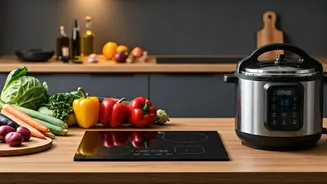
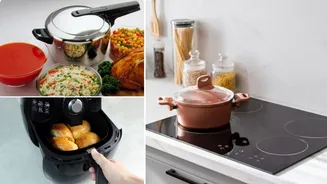
Repeatedly reheating small portions of food throughout the day leads to frequent use of the gas stove, thus increasing overall LPG consumption. Each time you reheat, the burner is ignited, contributing to the gas depletion. A more gas-efficient approach is to reheat larger quantities of food at once. Alternatively, consider using energy-saving appliances like microwaves for reheating, which can often be more economical for smaller portions and reduce the reliance on the gas stove.