





Understanding Silicone Safety
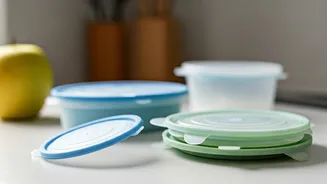
Silicone lids have emerged as a popular choice for eco-conscious home cooks seeking to reduce plastic waste in their kitchens. These flexible, heat-resistant,
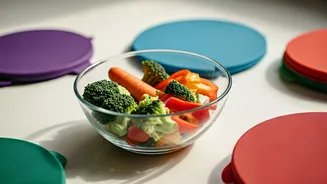
and easy-to-clean covers offer a snug seal over bowls and leftovers. As their usage becomes more widespread, questions about their safety in direct contact with food naturally arise. Scientific investigations provide clarity: when made from certified food-grade silicone and used within typical kitchen temperature ranges, these lids are generally considered safe for everyday food storage. Research, such as a 2023 study, indicates that while minute amounts of silicone oligomers can migrate into food simulants under extreme laboratory conditions (like very high heat or harsh processing), these findings do not equate to risks during normal household use. Similarly, a 2020 paper found silicone baking molds released measurable oligomers at temperatures far exceeding those for typical lid usage, but this did not render the material unsafe for its intended purpose. The environmental safety perspective, as reviewed in 2025, focuses on trace cyclic siloxanes, which are significantly reduced in high-quality, food-grade silicone products through purification. Therefore, adhering to recommended usage parameters ensures silicone acts as a stable and inert material in your kitchen environment.
Effective Silicone Lid Care
Maintaining the safety and longevity of your silicone lids requires proper cleaning. After each use, a simple wash with mild dish soap and warm water is effective in removing food residues and oils. For daily convenience, most food-grade silicone lids are designed to be top-rack dishwasher safe, offering an effortless cleaning solution. Persistent odours, such as those from strong spices like curry or garlic, can be tackled by soaking the lids in a mixture of baking soda and warm water for about 20 to 30 minutes. A subsequent rinse with vinegar can further help cut through stubborn grease and neutralise any lingering smells. It's crucial to inspect your silicone lids before storing them; signs like stickiness, cracking, or discoloration can indicate material degradation, signalling that it's time to replace them to ensure continued safety and performance.
Avoiding Common Pitfalls
Even the most durable silicone products can falter if not used correctly. A critical mistake is purchasing non-certified or low-quality silicone, which may contain unsafe fillers. Always verify that your silicone products are certified by regulatory bodies like the FDA or LFGB to ensure they are truly food-safe. Overstepping the manufacturer's recommended temperature limits is another significant error; avoid using silicone lids under broilers, directly on heat sources, or above specified high temperatures. Silicone is heat-resistant, not flame-proof, so never expose it to direct flames, as this can cause damage. When cleaning, steer clear of abrasive materials like steel wool or harsh scrubbing pads, as these can roughen the silicone surface, creating crevices where bacteria and food particles can accumulate. Finally, do not ignore warning signs like persistent odours or a sticky feel, as these can indicate that the material is breaking down, and worn-out lids should be replaced promptly to maintain food safety.
Silicone vs. Plastic
A primary driver for adopting silicone lids is the desire to move away from plastic food storage solutions, which have well-documented health concerns associated with chemicals like BPA and phthalates. Certified silicone, in contrast, does not contain these harmful compounds and generally exhibits superior heat stability compared to many plastics. This makes it a more appealing option for those prioritizing health and environmental impact. The key distinction lies in quality; while certified food-grade silicone offers these benefits, generic or unverified alternatives may not provide the same level of safety. Therefore, when choosing silicone lids, always prioritize products that explicitly state they are food-grade and meet relevant safety standards. This ensures you are benefiting from silicone's inherent safety and heat resistance without compromising your health or the integrity of your food storage.