






Canada's Vast Maritime Edge
Canada proudly holds the record for the world's longest coastline, a staggering expanse of over 202,080 kilometers. This immense border is defined by its
embrace of three major oceans: the Atlantic, Pacific, and Arctic. Its shores are a tapestry of diverse geographical features, including an abundance of islands, deep, dramatic fjords carved by ancient glaciers, and rugged, icy inlets. This complex and extensive maritime boundary supports incredibly rich and varied ecosystems, making it a crucial area for biodiversity and scientific study. The sheer scale of Canada's coastline offers unparalleled opportunities for exploration and interaction with the marine environment, shaping its culture and economy.
Norway's Fjordal Majesty
Renowned for its breathtakingly dramatic fjords, Norway's coastline is a masterpiece of natural sculpting. These deep, narrow inlets, carved out by glacial activity over millennia, are not merely visually stunning but significantly contribute to the country's impressive coastline length. The indented nature of its shores creates a unique and captivating landscape, attracting global admiration for its natural beauty. Beyond their aesthetic appeal, these fjords also serve as vital conduits for marine life and influence regional weather patterns, offering a glimpse into the powerful interplay between geology and the sea that defines Norway's identity.
Indonesia's Archipelago
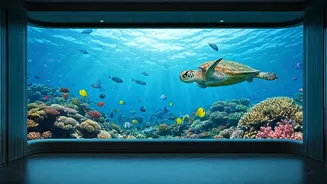
As the largest archipelagic nation on Earth, Indonesia's coastline is a sprawling network encompassing over 17,000 islands. This vast network of shores grants it an extraordinarily long and intricate maritime edge. These tropical waters are celebrated for their exceptional marine biodiversity, featuring vibrant coral reefs teeming with life and idyllic white sandy beaches. This rich underwater world makes Indonesia a globally significant hub for marine conservation efforts and a prime destination for ecotourism, showcasing the immense value of its extensive aquatic domain and its contribution to global marine ecosystems.
Russia's Arctic Reach
Russia possesses an immense coastline that stretches across multiple vast oceans, including the frigid Arctic and the expansive Pacific. A significant portion of its northern coast remains locked in ice for the majority of the year, presenting unique challenges and opportunities for resource management and exploration. In contrast, its eastern shores provide access to critical maritime routes that are vital for international trade and commerce. The duality of its coastal geography, from frozen expanses to open ocean access, highlights Russia's strategic position and its deep historical connection to maritime activities.
Philippines' Island Charm
The Philippines, another island nation, boasts an extensive coastline derived from its archipelago of over 7,000 islands. This fragmented geography results in a remarkably long and complex shoreline. These waters are celebrated for their pristine clarity and stunning white sandy beaches, making them a premier global destination for both marine life and tourism. The rich biodiversity found beneath its waves attracts divers and scientists alike, underscoring the ecological importance of its coastal regions and their role in supporting vibrant marine ecosystems.
Japan's Volcanic Shores
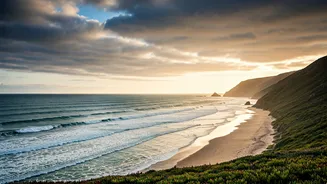
Japan's coastline is a product of its island geography and active volcanic landscape, resulting in a varied and dramatic shoreline. Its shores are characterized by a mix of rugged, rocky cliffs, sheltered bays, and accessible sandy beaches. This diverse coastal morphology supports numerous bustling port cities that are central to Japan's economy and a historically significant and robust fishing industry. The dynamic interplay between its land and sea has deeply influenced Japanese culture, commerce, and daily life for centuries, shaping its national identity.
Australia's Great Barrier
Australia's coastline extends across vast stretches of ocean, featuring iconic natural wonders such as the Great Barrier Reef. Its shores exhibit remarkable diversity, ranging from the warm, tropical coastlines in the north to the dramatic, rugged cliffs found in the south. This extensive maritime border provides access to a wealth of marine resources and ecosystems, including the world's largest coral reef system. The varied landscapes and rich biodiversity of its coasts are crucial for tourism, scientific research, and the nation's connection to the surrounding seas.