



Monsoon UV Threats
Monsoon weather often fools us into thinking the sun's rays are less harmful. However, even when the sky is cloudy, UV radiation persists and can impact
your skin. This means that sun protection is crucial throughout the monsoon season, not just on sunny days. The dermatological community emphasizes the need to adopt a proactive approach to skincare during this time, safeguarding against potential sun damage that can lead to premature aging and other skin issues. Understanding that UV rays can penetrate through the clouds is the first step toward effective protection, which makes sunscreen a vital part of the daily skincare regimen, regardless of the weather conditions.
Broad-Spectrum Power
The cornerstone of effective monsoon skincare is broad-spectrum sunscreen. These types of sunscreens are designed to protect against both UVA and UVB rays. UVA rays are responsible for premature aging and wrinkles, while UVB rays primarily cause sunburn. Choosing a sunscreen that offers broad-spectrum protection ensures your skin is shielded from the full range of damaging UV rays, allowing you to enjoy the monsoon season while maintaining healthy skin. Checking the label for this specific designation is essential, and it is a crucial first step in selecting the proper product that will meet the season's demands and keep your skin's health a top priority.
Water-Resistant Formulas
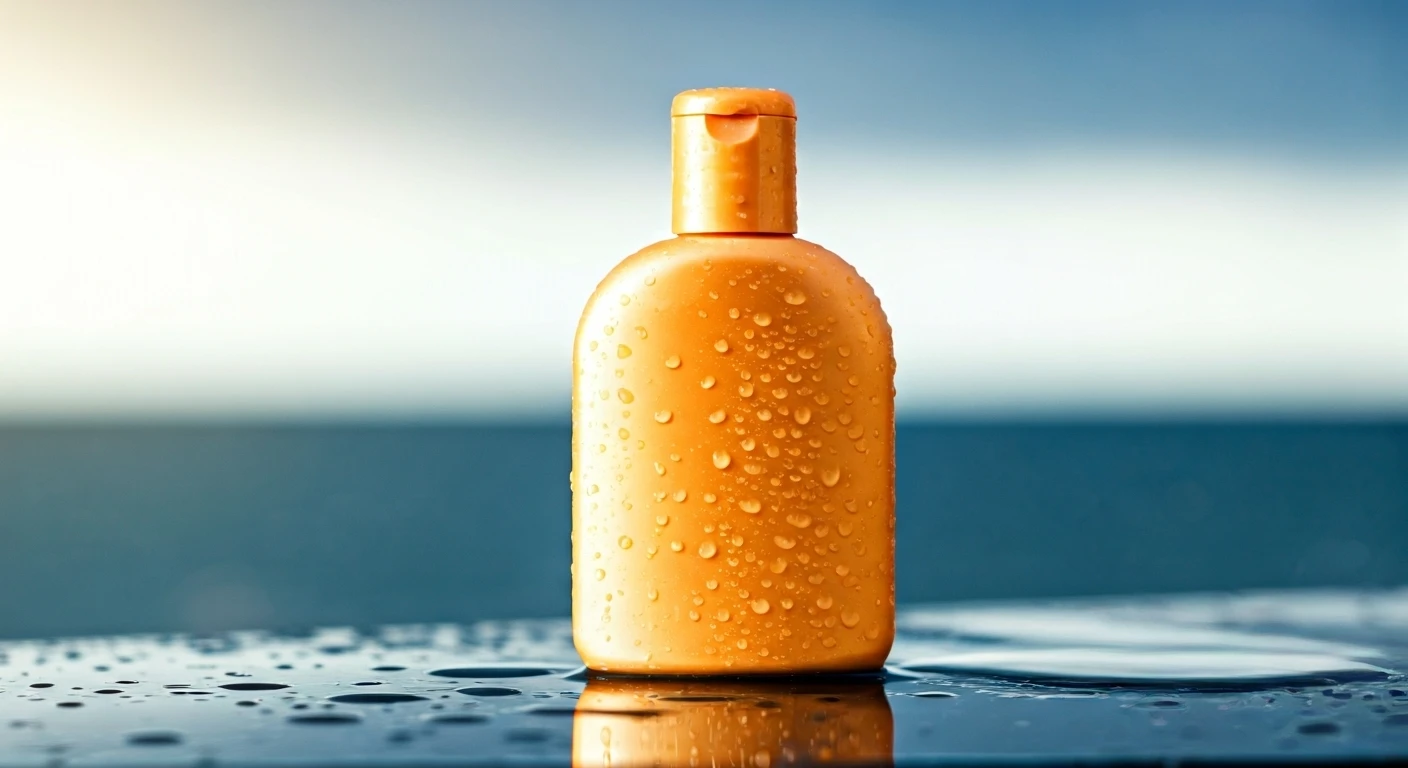
Monsoon humidity often means you might be sweating or getting wet from the rain, so selecting a water-resistant sunscreen is essential. These sunscreens are designed to maintain their protective effectiveness even when exposed to moisture, making them ideal for the monsoon season. Ensure you reapply your sunscreen frequently, especially after swimming or heavy sweating, to maintain consistent protection. Checking the product's label to verify its water-resistant properties is important. Consider products labeled as 'water-resistant' or 'very water-resistant' for enhanced performance in humid climates.
Not All SPFs Equal
The Sun Protection Factor (SPF) number on a sunscreen indicates the level of protection against UVB rays. However, not all SPFs are the same. While a higher SPF suggests greater protection, it's important to recognize the role of proper application and regular reapplication. SPF 30 filters about 97% of UVB rays, whereas SPF 50 filters around 98%. The difference in protection between the two is minimal, but the critical element is how consistently it is applied. Apply a generous amount and reapply every two hours, especially when outdoors, to ensure optimal protection during the monsoon. Remember, the effectiveness of any sunscreen depends on its correct and frequent application, regardless of the SPF value.
Opt for Lighter Textures
Choosing lighter sunscreen products, especially during the humid monsoon season, can enhance comfort and prevent a heavy, greasy feeling on your skin. Lighter formulas are often better absorbed by the skin, reducing the chances of clogged pores, which can lead to breakouts. Look for sunscreens that are specifically formulated to be lightweight, such as those that are gel-based, or have a serum-like consistency, for a more comfortable experience. Considering such formulations can contribute to a more enjoyable and effective daily skincare routine, helping to protect your skin without causing any unwanted irritation.