






Rethinking Prediabetes
Leading cardiologists are challenging the conventional understanding of 'prediabetes,' suggesting the term itself is a misnomer that can lead to complacency.
Instead of viewing it as a precursor to diabetes, they emphasize that elevated blood sugar levels within the 'prediabetic' range (typically 5.7% to 6.4%) are a direct indicator of insulin resistance. This condition means your body is struggling to efficiently utilize glucose, signaling a critical need for intervention. This phase isn't a gentle warning but a clear sign that your metabolic system is asking for significant adjustments. Ignoring these signals, often due to the false sense of security that comes with not being diagnosed with full-blown diabetes, can be detrimental, leading to a quiet build-up of insulin resistance that doesn't manifest immediately but steadily progresses.
The Silent Rise of Insulin Resistance
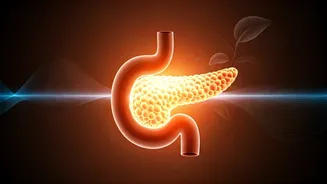
Insulin resistance is a gradual process where your cells become less responsive to insulin, the hormone responsible for moving sugar from your bloodstream into cells for energy. When this resistance builds, your pancreas works harder to produce more insulin to compensate. Over time, this can overwhelm the pancreas, leading to persistently high blood sugar levels. This isn't an overnight development; it's a silent accumulation that occurs over months or even years. Recognizing the 'prediabetic' range as this critical point of growing insulin resistance provides an invaluable opportunity. It's an early window before the condition escalates to type 2 diabetes, offering a chance to intervene and reverse the trend effectively through targeted lifestyle changes.
Strategies for Reversal
The good news is that insulin resistance, even when indicated by 'prediabetic' blood sugar levels, is largely reversible. The key lies in actively addressing the underlying issues through four fundamental pillars of health. Firstly, 'fixing nutrition' involves making conscious dietary choices to support insulin sensitivity, focusing on whole, unprocessed foods, lean proteins, abundant fruits, and vegetables, while significantly reducing sugary drinks, processed items, and unhealthy fats. Secondly, 'moving your body' through regular physical activity, such as at least 150 minutes of moderate-intensity exercise weekly, helps muscles utilize glucose and improves insulin response. Thirdly, 'improving sleep' is crucial, as inadequate rest can impair insulin sensitivity and disrupt hormonal balance. Finally, 'managing stress' through techniques like yoga, meditation, or mindfulness is vital, as chronic stress can negatively impact blood sugar control and overall metabolic health.