






Sunlight: The Golden Rule
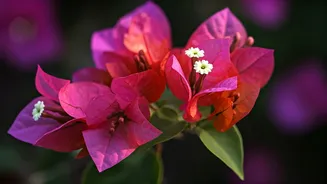
Bougainvillea absolutely demands abundant sunshine to truly flourish and produce its characteristic vibrant blooms. When this plant is deprived of adequate
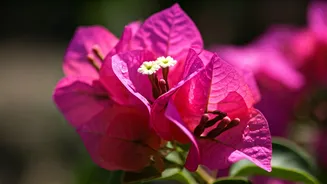
light, typically requiring a minimum of six hours of direct sun daily, it will respond by prioritizing leaf production over flower development. The result is often a plant that appears healthy and lush with greenery but conspicuously lacks the colorful bracts that make bougainvillea so admired. Think of sunlight as the essential trigger; without its intense energy, the plant redirects its resources, leading to lush foliage but a disappointing floral display. Therefore, positioning your bougainvillea in the sunniest spot available is paramount to achieving its full visual potential and encouraging profuse flowering.
Watering: Less is More
Contrary to the common gardening instinct to water plants frequently, bougainvillea thrives on a considerably drier soil environment between waterings. Overwatering can significantly hinder or even prevent flowering. The plant is designed to withstand periods of drought, and this stress is actually a crucial factor in initiating the blooming process. When the roots experience a degree of dryness, the plant interprets this as a cue to focus its energy on reproduction, which translates into producing more flowers rather than just vegetative growth. This doesn't imply complete neglect; rather, it means watering thoroughly when the soil has become noticeably dry, allowing it to dry out again before the next irrigation, thereby mimicking its natural arid habitat and promoting a spectacular floral show.
Pruning: Embrace the Cut
A critical yet often challenging aspect of bougainvillea care involves significant pruning. This plant produces its most vibrant blooms on new growth, meaning that older, established branches are less likely to flower. Therefore, a 'hard prune' is often necessary to stimulate the development of fresh shoots, which will subsequently bear flowers. While the plant may appear sparse immediately after such a drastic trimming, this is a temporary phase. Within a few weeks, new buds and stems will emerge, paving the way for a profusion of color. Embracing this practice of cutting back, even a healthy-looking plant, is fundamental to encouraging continuous and abundant blooming throughout the season, ensuring a consistently spectacular display.
Feeding: Minimalist Approach
Bougainvillea is not a heavy feeder, and excessive fertilization can be detrimental to its flowering capacity. In fact, many successful growers rarely fertilize their plants. When nourishment is deemed necessary, the type of fertilizer is crucial. Opt for formulations that are low in nitrogen and high in phosphorus. Nitrogen promotes lush leaf growth, which is exactly what you want to avoid if the goal is abundant flowers. Phosphorus, on the other hand, is instrumental in supporting the plant's reproductive functions, including blooming. A light feeding regimen, focusing on phosphorus-rich options, helps to direct the plant's energy towards producing stunning flowers rather than excessive foliage, ensuring a vibrant and colorful display.