








Dramatic Price Reduction
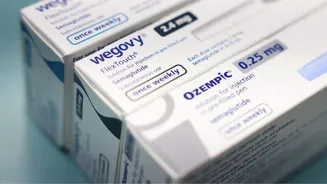
The landscape of diabetes and weight loss treatment in India has been fundamentally reshaped following the expiration of patents on semaglutide, a medication
globally recognized for its efficacy. Previously, Indian patients faced exorbitant costs, often paying around ₹11,000 for imported branded versions of this crucial drug. However, the market has seen a swift and substantial transformation with the introduction of locally manufactured semaglutide formulations. This has triggered a fierce price competition, driving down monthly treatment costs to an accessible range of approximately ₹1,800 to ₹4,200. This drastic decrease not only makes the drug more affordable but also significantly widens its accessibility for a larger segment of the Indian population, many of whom rely on out-of-pocket healthcare expenses. The availability of these lower-cost versions is a monumental shift, moving from a global pricing model to one that prioritizes local affordability and patient access within India's unique healthcare ecosystem.
New Local Players Emerge
In the wake of patent expirations, a wave of Indian pharmaceutical companies has stepped forward to launch their own semaglutide formulations, fostering a more competitive and patient-centric market. Zydus Lifesciences, for instance, has introduced a semaglutide injection in a user-friendly, reusable multi-dose pen device, priced at approximately ₹2,200 per month for its treatment regimen for Type 2 diabetes and obesity. Torrent Pharma has made its mark by offering both oral and injectable forms of semaglutide under brand names like Sembolic and Semalix, with a monthly cost around ₹3,999. Alkem Laboratories has secured approval for its semaglutide injection, available under various brand names such as Semasize, Obesema, and Hepaglide, with prices starting as low as ₹1,800 per month, translating to roughly ₹450 weekly. Sun Pharma's contribution includes Noveltreat and Sematrinity injections, catering to weight management and Type 2 diabetes respectively, with prices ranging from ₹900 to ₹2,000 for Noveltreat and ₹750 to ₹1,300 for Sematrinity, depending on the dosage. Dr Reddy’s Laboratories has launched Obeda, India's first DCGI-approved semaglutide injection for Type 2 diabetes, at a monthly cost of about ₹4,200 for its 2 mg and 4 mg strengths.
Mechanism and Benefits
Semaglutide operates by mimicking the action of the GLP-1 hormone, a naturally occurring substance in the body that plays a crucial role in regulating blood sugar and appetite. By boosting insulin release and reducing the liver's glucose production, it helps to stabilize blood sugar levels, a critical factor for individuals managing Type 2 diabetes. Furthermore, semaglutide significantly slows down the rate at which the stomach empties its contents, which contributes to a prolonged feeling of fullness and a subsequent reduction in overall food intake, thereby aiding in weight loss. Clinical studies have consistently demonstrated its effectiveness, showcasing notable reductions in blood glucose levels and substantial weight loss, often in the range of 10–15 percent or even more. Beyond its primary functions, research has also highlighted potential cardiovascular, kidney, and liver benefits associated with its use, positioning semaglutide as a comprehensive, disease-modifying therapy rather than a simple glucose-lowering agent.
Access and Concerns
The substantial reduction in semaglutide's price in India is poised to dramatically expand access to effective treatment for millions grappling with Type 2 diabetes and obesity. This increased affordability is particularly impactful in India's predominantly out-of-pocket healthcare system, where cost has historically been a significant barrier to essential medical interventions. However, this development is not without its cautionary notes. Medical professionals are raising concerns about the potential for misuse of semaglutide, particularly for purely cosmetic weight loss purposes without adequate medical supervision. It is imperative to remember that semaglutide is a potent prescription medication that necessitates professional guidance, including careful dose escalation and integration with appropriate dietary management. While common side effects like nausea are typically manageable, there are rarer but serious risks such as pancreatitis, gallbladder issues, and kidney complications that underscore the need for medical oversight. Additionally, while approved generic versions must adhere to stringent safety and efficacy standards, discussions about potential differences between original biologic products and generics continue within the medical community.