




The Missing Fizz
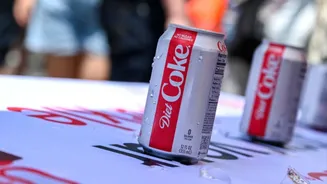
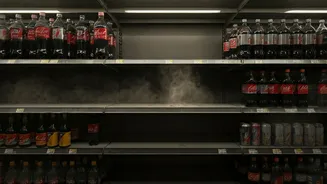
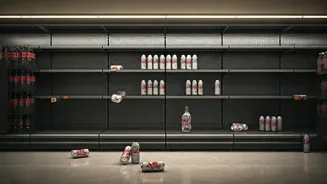
Across India's major cities, from Mumbai to Gurugram, a noticeable void has appeared on store shelves and online delivery platforms: the absence of Diet
Coke. This once readily available beverage is now a rare find, with its availability fluctuating unpredictably. Consumers are increasingly expressing their frustration and surprise at this widespread scarcity, turning what would typically be a minor inconvenience into a significant talking point across the nation. The familiar sight of Diet Coke cans is becoming a memory for many, sparking conversations about the underlying causes of this unexpected beverage drought. The sudden unavailability has left many searching for alternatives, but for loyal fans, nothing quite replaces the specific taste and experience of their preferred zero-sugar cola.
Global Supply Chain Woes
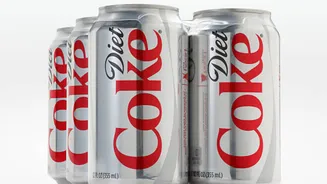
The scarcity of Diet Coke in India is intricately linked to a global crunch in aluminium supply, a critical component for the cans in which the drink is predominantly sold domestically. The ongoing geopolitical tensions in West Asia have significantly disrupted the flow of this vital metal. Specifically, Iran's actions concerning the Strait of Hormuz, a crucial maritime route, have curtailed aluminium exports, which contribute substantially to the world's supply. This disruption, coupled with existing shipping delays and logistical challenges, has created a bottleneck. Furthermore, adaptations in packaging to meet Indian regulatory standards add another layer of complexity. The combined effect is a strained supply chain struggling to meet demand for aluminium cans, directly impacting the availability of beverages like Diet Coke.
Packaging and Demand Surge
The aluminium can shortage is exacerbated by the current production capacity of major can manufacturers. Leading companies are already operating at their limits, and establishing new production lines is a lengthy process, potentially taking up to a year. Concurrently, the demand for low- and zero-sugar beverages, including Diet Coke, has surged dramatically. Sales in this segment have reportedly doubled over the past year, driven by increasing health consciousness among consumers. This escalating demand, occurring precisely when the supply of essential packaging materials is constricted, creates a perfect storm. The pressure isn't confined to soft drinks; beer companies, which also rely on the same type of aluminium cans, are experiencing similar difficulties in securing adequate packaging.
Geopolitical Impact on Prices
Escalating geopolitical events have further intensified the aluminium crisis, directly affecting market prices. Following Iranian airstrikes on key Middle Eastern producers in late March, aluminium prices experienced a sharp increase, reaching a four-year high. Data from the London Metal Exchange indicated prices peaked at $3,672 per tonne on April 16. The effective closure of the Strait of Hormuz for crucial shipments has not only impacted regional supply but also led to disruptions in exports to major markets like the United States and Europe. This global ripple effect adds further pressure to an already precarious supply chain, driving up costs and contributing to the scarcity of aluminium-based products, including beverage cans.
Diet Coke's Portfolio Role
Diet Coke plays a significant role in the company's expanding portfolio of low- and zero-sugar options. This category, which also includes beverages like Coke Zero and Thums Up X Force, has seen remarkable growth, now constituting approximately 30% of the company's total sales as of 2025. This represents a substantial leap from a mere 5% share in 2020, underscoring a clear consumer shift towards healthier beverage choices. The increased reliance on these sugar-free alternatives means that any disruption to the supply of popular drinks within this category, such as Diet Coke, has a more pronounced effect on overall sales and market presence. The current shortage highlights the growing importance of these beverages and the vulnerabilities in their supply chains.
Social Media's Humorous Take
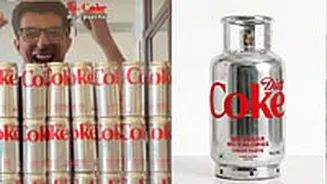
While the unavailability of Diet Coke has caused frustration for many consumers, the situation has simultaneously ignited a wave of humorous content on social media platforms like X and Instagram. The shortage has been transformed into a running joke, with users sharing witty observations and memes. Actors and content creators have joined in, posting relatable content about the struggle to find their favorite drink and the need for solidarity among Diet Coke enthusiasts. Some posts playfully contrast the availability of the drink in different cities, while others creatively express the longing for the beverage. These online reactions offer a lighthearted perspective on the supply chain issue, turning a moment of inconvenience into a shared cultural experience.