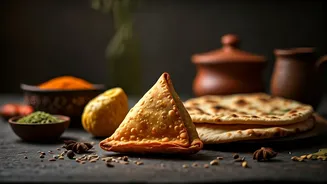







The Ubiquitous Samosa
The crispy, golden samosa, a beloved snack found across India, actually embarked on its culinary journey from the Middle East and Central Asia. Known there
as 'sambusak,' this filled pastry was a traveler's delight, brought to India by merchants and wanderers. Over centuries, it was lovingly adapted to Indian tastes, evolving into the savory, potato-and-spice-filled marvel we savor today, a testament to culinary adaptation and enduring appeal.
Chicken Tikka Masala's UK Debut
Despite its quintessential Indian aroma and flavor profile, Chicken Tikka Masala is widely believed to be a creation born in the United Kingdom. South Asian chefs, catering to British palates, are credited with its invention. This dish represents a beautiful example of fusion cuisine, where Indian spices and cooking techniques were masterfully blended to create a creamy, tangy curry that has become a global phenomenon, often more popular in the West than in India itself.
Indo-Chinese Chilli Chicken
A cornerstone of the vibrant Indo-Chinese culinary scene, Chilli Chicken's roots lie not in mainland China, but within the Chinese diaspora in India, particularly in Kolkata. This dish ingeniously marries traditional Chinese stir-frying methods with the fiery kick of Indian spices. The result is a tangy, spicy, and deeply flavorful appetizer that has earned its place as a favorite across Indian menus, showcasing a unique cross-cultural gastronomic fusion.
Persian Origins of Naan
The soft, pillowy naan bread, a perfect accompaniment to any Indian curry, traces its lineage back to Persia, the land now known as Iran. Introduced to India during the opulent Mughal era, naan quickly became a staple, especially in the northern regions. Its association with the tandoor, the traditional clay oven, further cemented its place in Indian culinary heritage, evolving into the versatile flatbread enjoyed with countless dishes.
Rajma's American Connection
The hearty and nutritious Rajma, essentially kidney beans cooked in a rich gravy, has a surprising origin story. These beans are not native to India; they were introduced to the subcontinent by European traders who brought them from their original homes in Central and South America. Over time, Rajma has been wholeheartedly embraced, becoming a comforting and staple dish in many North Indian households, celebrated for its wholesome goodness.
Biryani: A Mughal Legacy
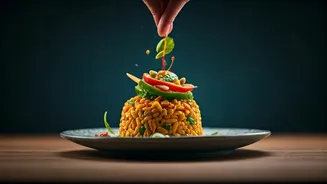
While often considered the pinnacle of Indian celebratory cuisine, Biryani's origins are generally attributed to Persia, with its development heavily influenced during the Mughal Empire's reign in India. This aromatic rice dish, slow-cooked with spices, meat, or vegetables, likely evolved from earlier Persian pilafs. The Mughals are credited with refining and popularizing various forms of Biryani across the Indian subcontinent, creating the elaborate and diverse versions enjoyed today.