





Insulation: The Foundation
The cornerstone of a warm home lies in its insulation. Think of insulation as a barrier against the cold air trying to seep in from outside, and the warm air trying to escape.
In India, proper insulation is crucial, particularly in older buildings and homes with single-pane windows. Consider sealing any cracks around windows and doors, where drafts often originate. Furthermore, check your attic and walls for inadequate insulation, as heat loss through these areas can be significant. Adding or improving insulation can drastically reduce your heating costs and maintain a consistent, comfortable temperature. This approach creates a warm sanctuary, regardless of the temperature outside. A well-insulated home means less reliance on heating appliances, translating to substantial savings over time.
Sealing Drafts: Simple Steps
Drafts are the enemy of a warm home. Even tiny gaps around windows, doors, and pipes can allow significant amounts of cold air to infiltrate. The good news is that addressing drafts is often an inexpensive and straightforward fix. Start by examining windows and doors for any visible cracks or openings. Caulk and weatherstripping are your best friends here. Apply caulk to seal gaps around window and door frames, and use weatherstripping to seal the space between the door or window and its frame. For older windows, consider using window film to add an extra layer of insulation. Also, don't forget to inspect and seal around plumbing pipes and electrical outlets, which are also common draft sources. Implementing these simple measures can make a noticeable difference in your home's warmth and reduce your heating bills.
Window Treatments Matter
Windows are a major source of heat loss. In the colder months, the glass allows the heat from inside to escape to the outside. Effective window treatments can significantly reduce this heat loss. Thick curtains or thermal drapes are excellent options, as they act as a barrier to prevent heat from escaping. During the day, open your curtains to allow sunlight to enter and passively warm your home. At night, close the curtains to trap the heat inside. Consider using cellular shades or honeycomb blinds, as these provide an extra layer of insulation due to their unique construction. Another budget-friendly option is to add window film, which can reduce heat loss and improve energy efficiency. By paying attention to your window treatments, you can dramatically improve the comfort of your home and reduce your reliance on heating.
Heating System Efficiency
Ensure your heating system is operating at its peak efficiency. A well-maintained system will provide more heat with less energy consumption. Regularly clean or replace air filters according to the manufacturer's instructions. A clogged filter restricts airflow, forcing the system to work harder and use more energy. Consider having your heating system professionally inspected and serviced at least once a year. A technician can identify any potential problems, such as leaks or inefficiencies, and make necessary repairs. Furthermore, ensure that vents and radiators are not blocked by furniture or other objects. Proper airflow is essential for efficient heating. Modern heating systems often offer programmable thermostats, allowing you to set different temperatures for different times of the day, helping you save energy by lowering the temperature when you are away or asleep.
Smart Thermostat Benefits
Smart thermostats represent a significant step towards optimizing your heating system's efficiency. These devices offer features like programmable settings, remote control, and energy usage tracking. Program the thermostat to automatically lower the temperature when you are away from home or asleep, and increase it shortly before your return, ensuring comfort without wasting energy. Many smart thermostats can be controlled via a smartphone app, enabling you to adjust the temperature from anywhere. Furthermore, they often provide detailed energy usage reports, allowing you to monitor your consumption and identify areas where you can make further savings. Some models also integrate with other smart home devices, providing even greater control and automation. The investment in a smart thermostat can quickly pay for itself through reduced energy bills and increased comfort.
Passive Solar Heating
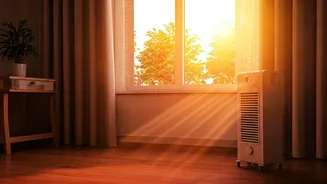
Harness the power of the sun to naturally warm your home. Passive solar heating involves using the sun's energy to heat your home without the use of mechanical devices. During the day, open curtains and blinds on south-facing windows to allow sunlight to enter and warm the interior. The sun's rays will heat up surfaces in your home, which will then radiate heat, creating a warm and comfortable environment. At night, close the curtains and blinds to trap the heat inside. In some homes, strategically placed windows can be used to capture solar gain, maximizing the amount of sunlight that enters the home. Even simple steps, like opening curtains during the day and closing them at night, can make a difference. Incorporating passive solar techniques is an eco-friendly and cost-effective way to supplement your heating system and reduce your energy consumption.