






Growing Skin Concerns
There's a noticeable upward trend in skin ailments affecting children, a shift that medical professionals are increasingly observing. What were once considered
adult-specific issues are now becoming commonplace in younger age groups, encompassing a spectrum from minor skin irritations to more persistent and impactful chronic conditions. This escalating concern isn't limited to just a few cases; pediatricians are reporting a significant influx of young patients presenting with a variety of dermatological problems. The implications of these growing skin issues extend beyond mere physical discomfort, potentially impacting a child's emotional state and social interactions if not addressed promptly. Understanding the underlying reasons for this surge is vital for parents and caregivers to ensure timely and effective intervention, thereby safeguarding their children's overall health and quality of life.
Factors Driving the Surge
Several interconnected factors are believed to be contributing to the escalating number of skin problems seen in children. Modern urban living plays a significant role, exposing youngsters to higher levels of environmental pollution, which can irritate delicate skin. Additionally, a rise in allergies, whether to food, pollen, or other environmental agents, frequently manifests as skin reactions like eczema and rashes. Lifestyle changes also contribute; increased screen time and reduced outdoor activity can impact skin barrier function and overall health. Furthermore, changes in climate can lead to increased sweating and heat-related rashes. Poor nutrition and inadequate hygiene habits, coupled with the frequent use of harsh soaps or cosmetics, can compromise the skin's natural defenses. Genetic predisposition also remains a factor, particularly in the development of conditions like eczema. Even common childhood illnesses, such as hand-foot-and-mouth disease, are presenting with concerning rashes. Fungal infections like ringworm and candidal rashes, along with bacterial infections such as impetigo, are becoming more prevalent, necessitating vigilant monitoring by parents.
Recognizing Early Symptoms
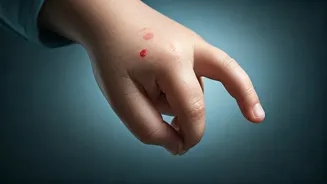
It's crucial for parents to be attuned to the subtle, and sometimes not-so-subtle, early warning signs of skin issues in their children. These can manifest in various ways, often beginning with persistent itching, which can be a primary indicator of underlying irritation or infection. Redness of the skin, dryness, the appearance of rashes, or the development of small, raised bumps are also common initial symptoms. Some children may articulate a sensation of burning or localized pain associated with the affected area. In more advanced stages, or with certain conditions, patches of skin might start to ooze or form crusts. For older children, the repeated act of scratching due to persistent itchiness can lead to more noticeable changes, such as the development of dark marks on the skin or a thickening of the skin's texture. Any recurring rashes or ongoing itching that doesn't seem to resolve should never be overlooked or dismissed as a minor inconvenience.
The Dangers of Delay
Delaying professional medical attention for a child's skin problems can lead to a cascade of negative consequences, extending far beyond the initial discomfort. Without timely and appropriate treatment, even minor skin irritations can escalate into more severe secondary infections, posing a significant health risk. Furthermore, prolonged or improperly managed skin conditions can result in permanent scarring, which can be a source of lasting physical and emotional distress for the child. The constant itching and discomfort associated with many skin ailments can disrupt sleep patterns, leading to fatigue and affecting a child's overall mood and concentration. Emotionally, children can experience significant distress, feeling embarrassed, anxious, or self-conscious about their skin's appearance, particularly in social settings. This can negatively impact their confidence, their willingness to participate in activities, and even their performance at school. The worsening of the condition is often a direct result of parents waiting too long before seeking expert medical advice, hoping the issue will resolve on its own.
Parental Role in Prevention
Parents play a pivotal role in both preventing and managing their children's skin health. Observance of any unusual changes on their child's skin, such as persistent redness, dryness, or unexplained rashes, is the first step. Rather than attempting self-treatment with home remedies or over-the-counter creams, which can sometimes exacerbate the problem or mask symptoms, seeking early consultation with a pediatric specialist is highly recommended. A doctor can accurately diagnose the specific condition and prescribe the most effective treatment plan. Simple yet crucial hygiene practices are also fundamental. Ensuring children wear breathable clothing, especially in warm weather, can prevent heat-related issues. Keeping the skin clean and dry, using mild, doctor-approved soaps, and avoiding the sharing of towels or personal items can significantly reduce the risk of infections spreading. Maintaining a well-moisturized skin barrier, as advised by a healthcare professional, can also go a long way in preventing many common skin conditions and supporting the child's overall comfort and well-being.