




Understanding Muscle Soreness
Delayed Onset Muscle Soreness, or DOMS, is a common experience after strenuous physical activity. This discomfort arises from micro-tears in muscle fibers
that occur during exercise, prompting a natural healing process. While this rebuilding phase is crucial for muscle growth and strength, the resulting inflammation can cause significant soreness and stiffness, making everyday movements challenging. This sensation, though uncomfortable, is a testament to your body adapting and getting stronger. However, the duration and intensity of this soreness can be influenced by nutrition, with certain foods playing a vital role in mitigating pain and hastening the repair process.
The Role of Nutrition
Food is a powerful ally in the quest for faster muscle recovery. When you engage in physical exertion, your muscles expend energy reserves and experience microscopic damage. To effectively repair this damage and rebuild muscle tissue, your body requires specific nutrients. Protein is the fundamental building block for muscle repair and growth. Carbohydrates are essential for replenishing depleted energy stores, providing the fuel needed for recovery processes. Additionally, anti-inflammatory compounds found in various foods help to reduce the swelling and pain associated with muscle tears. Proper hydration and essential minerals also contribute significantly by preventing cramps and supporting overall cellular function during recovery.
Powerhouse Foods for Recovery
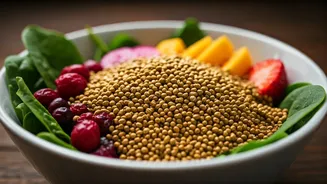
A variety of readily available foods can significantly aid in alleviating muscle soreness. Berries, such as strawberries, blueberries, and raspberries, are packed with potent antioxidants that combat oxidative stress and reduce inflammation, thereby easing muscle discomfort. Tart cherry juice has been extensively studied for its recovery benefits, shown to decrease soreness, improve muscle function recovery, and even promote better sleep, which is crucial for healing. Fatty fish like salmon and mackerel are excellent sources of omega-3 fatty acids, which possess powerful anti-inflammatory properties that directly target and reduce muscle pain. Leafy green vegetables, including spinach, kale, and fenugreek leaves, are rich in magnesium and antioxidants that help muscles relax and support the repair process. For replenishing energy after workouts, sweet potatoes and carrots are superb choices, providing essential carbohydrates to restore glycogen stores and offering vitamins that aid in tissue repair.
Seeds and Beverages
Beyond fruits and vegetables, certain seeds and beverages also offer remarkable benefits for muscle recovery. Chia seeds and flaxseeds are nutritional powerhouses, loaded with omega-3 fatty acids, fiber, and plant-based protein. These components work synergistically to reduce inflammation and support the rebuilding of muscle fibers. Green tea, often consumed for its calming properties, also boasts significant healing benefits. It contains beneficial compounds that can help mitigate exercise-induced muscle damage and reduce inflammation, contributing to a smoother recovery. Integrating these foods and drinks into your post-workout routine can make a noticeable difference in how quickly you feel ready for your next training session.
Achieving Recovery Balance
While it's impossible to completely eliminate muscle soreness, understanding and leveraging the power of nutrition can significantly manage its impact. The inflammation experienced is a natural signal that your body is adapting and becoming more resilient. By consuming the right balance of protein and carbohydrates, you provide your body with the necessary tools to repair itself efficiently. This strategic approach not only reduces stiffness and accelerates your return to physical activity but also enhances your overall consistency with your fitness regimen. Prioritizing recovery food is as critical as the workout itself for achieving optimal physical conditioning and long-term progress.