




Baking Essentials Demystified
Understanding the subtle yet crucial differences between baking powder and baking soda is key to successful baking. Baking soda, a leavening agent, requires
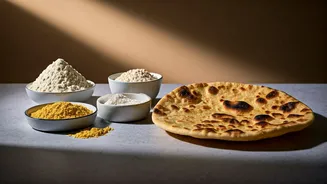
an acidic ingredient to react and produce carbon dioxide, which causes baked goods to rise. This activation is immediate, meaning the batter should be baked quickly after mixing. Baking powder, on the other hand, is a complete leavening system containing both an acid and a base, along with a starch to absorb moisture. It typically undergoes two reactions: one when it gets wet and another when exposed to heat in the oven. This dual action provides a more sustained lift. Using them interchangeably can lead to flat cakes or overly dense cookies, impacting the final texture and rise of your creations. Recognition of their distinct chemical properties ensures predictable and delicious outcomes in any baking endeavor, transforming simple ingredients into delightful treats.
Global Bread Basket
The world of bread is incredibly diverse, with India contributing significantly to this rich tapestry. Butter garlic naan, recently lauded as the world's best bread, exemplifies the depth and history embedded in Indian flatbreads. This dish, characterized by its soft texture and aromatic garlic-butter finish, is a testament to centuries of culinary evolution. Beyond naan, India boasts a plethora of regional breads, each with its own preparation methods and cultural significance. From the layered paratha to the fluffy bhatura and the wholesome roti, these staples are integral to Indian meals, offering varied textures and flavors that complement a wide range of curries and side dishes. The global appreciation for these breads signifies a growing recognition of Indian cuisine's complexity and its ability to conquer international palates through authentic and delicious offerings.
Nutritional Balance Through Dal-Chawal
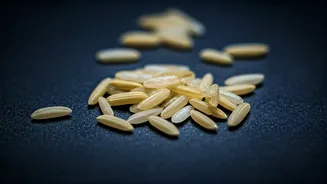
The iconic Indian combination of dal and chawal (lentils and rice) is not just a culinary staple but also a remarkably balanced meal. This pairing offers a complete protein profile, a feat achieved by combining the amino acid strengths of both components. Lentils are rich in lysine, an amino acid that is typically low in grains, while rice provides methionine, which is less abundant in lentils. Together, they create a synergistic effect, offering all essential amino acids necessary for bodily functions like muscle repair and enzyme production. Beyond protein, dal brings essential B vitamins, iron, and fiber, aiding digestion and promoting satiety. Chawal, primarily a source of carbohydrates, provides energy. This humble yet powerful duo, when prepared with various dals and rice types, can be customized to offer a wide spectrum of nutrients, making it an exemplary model for achieving optimal nutritional balance in everyday eating.
Festive Flavors: Eid Seviyan
Eid celebrations are incomplete without the sweet indulgence of seviyan, a vermicelli-based dessert that holds a special place in many cultures. There are at least five distinct and popular variations of this delightful dish, each offering a unique taste and texture. One common version is the vermicelli kheer, a creamy pudding simmered with milk, sugar, and often flavored with cardamom and garnished with nuts. Another beloved preparation is the sheer khurma, a richer variant that includes dates, ghee, and a generous amount of dry fruits, making it a truly festive treat. Other popular renditions might include seviyan cooked in a milk syrup with saffron, or even fried seviyan that are then sweetened and flavored. The preparation methods and ingredient additions create a spectrum of flavors, from subtly sweet to decadently rich, ensuring there's a seviyan to please every palate during Eid festivities.
Culinary Health Insights
Beyond taste, understanding our food's impact on health is crucial. Red wine, often perceived as a healthier alcohol choice, is now linked to cancer risk, similar to all alcoholic beverages, according to recent studies. This highlights the importance of moderation and awareness regarding alcohol consumption. Furthermore, the color of a stove flame can be an indicator of proper combustion; a blue flame typically signifies efficient burning, while a yellow or orange flame might suggest incomplete combustion and potential issues with the appliance. On a daily basis, daily intake of ash gourd juice for three weeks has been associated with potential benefits for the body, though specific details require further clarification. Understanding these subtle aspects of food and cooking empowers individuals to make more informed choices for their well-being.