






Race Day Logistics
Race week in Las Vegas presented specific logistical challenges, particularly concerning getting around the city. The primary method of transport was rideshares
due to road closures and reroutes. These services were essential because drivers were familiar with the latest detours, which was a significant advantage during the event. Understanding these transportation aspects was critical for navigating the city and ensuring timely arrivals at various events and viewing locations. Spectators needed to be aware of the disruptions and factor in extra travel time due to these changes.
Timing and Scheduling
The timing of the Las Vegas Grand Prix was unique, as it was a Saturday night race, which offered benefits for viewers in different time zones, allowing for a more accessible viewing experience. This scheduling meant attendees could fly home on Sunday, avoiding travel on Monday. However, it’s worth noting that this event was not budget-friendly. Costs were driven up due to the event, influencing decisions about accommodations and viewing experiences. For those planning a trip, considering these factors was necessary to tailor the experience to their preferences and budget.
Viewing and Activities
For those in attendance, there was a wide range of viewing options available, from relatively affordable choices to ultra-luxe VIP experiences. The price range began around $100 for some events, extending to thousands of dollars for premium packages. The event also featured diverse activities, including practice and qualifying sessions. These were often paired with outdoor viewing and live entertainment, providing options that cater to different budgets and preferences. Ultimately, the variety aimed to provide attendees with a rich experience beyond the race itself.
Essential Preparations
When preparing for the Las Vegas Grand Prix, practicality and comfort were key. Attendees were advised to prioritize comfort, with sneakers as a must-have. November evenings in Las Vegas can be cool, with temperatures potentially dropping to the low 30s (ºF), so warm clothing was recommended. Packing a beanie, gloves, and a scarf was also advised for outdoor sessions. Additionally, bringing a small, zone-compliant bag and a packable poncho was suggested, as umbrellas were frequently prohibited. Although optional, team or driver merchandise was a fun way to participate, along with leather jackets and hats, which added to the overall atmosphere.
Arrival and Exploration
To maximize the experience, it was suggested that attendees arrive on Wednesday or Thursday to explore the activations along the Strip before the race action began. This allowed visitors to experience the pre-race atmosphere and to engage with the environment. The focus was on enjoying the various events and displays set up along the iconic Strip, which provided a comprehensive experience. This allowed visitors to take full advantage of their trip, immersing themselves in the excitement of the event from the moment they arrived.
Atmosphere and Setting
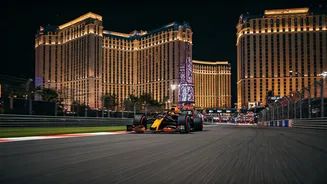
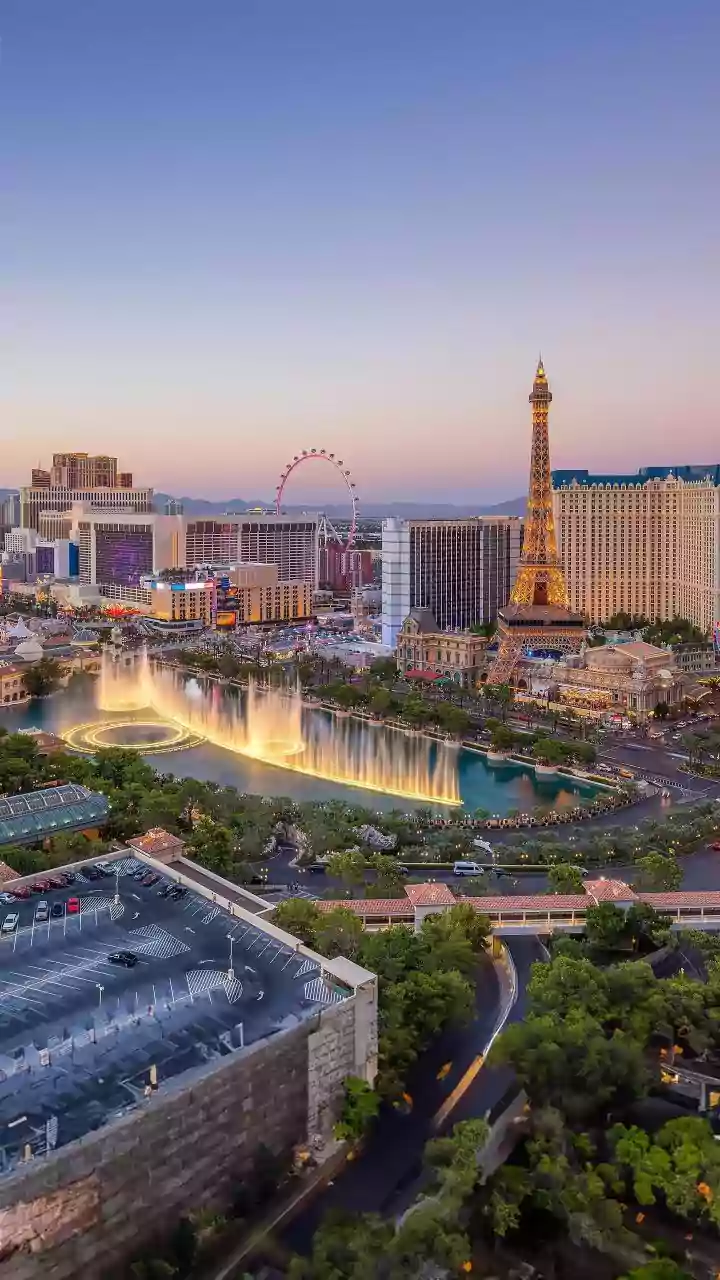
The Las Vegas Grand Prix distinguished itself from other Formula 1 events due to its unique setting. The 3.8-mile circuit wound through 17 turns along the Las Vegas Strip, passing by numerous casinos. This contrast offered a memorable experience that set it apart from other Formula 1 races, which fans might be more accustomed to. The sight of cars racing past the neon-lit casinos created a distinctive atmosphere. This ambiance contributed to making the Las Vegas Grand Prix a standout event on the Formula 1 calendar.