




Recognizing Effort
Children often focus on the 'what' – the tangible gift or outcome – without considering the 'how' or 'who' behind it. It's crucial for parents to guide
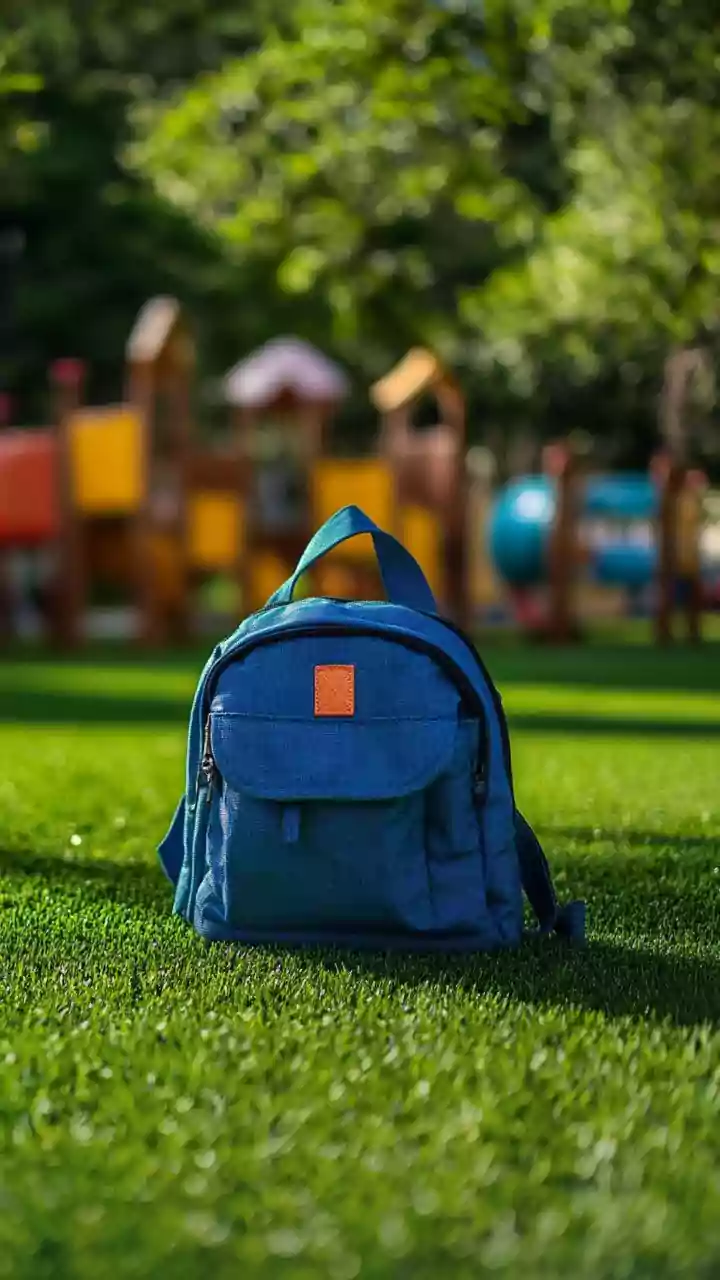
them in understanding the effort invested by others, whether it's the time spent preparing a meal, the energy involved in packing a school bag, or the planning behind an activity. By highlighting these behind-the-scenes contributions, we help children shift their perspective from mere possessions to the people and actions that make these things possible. This deeper understanding cultivates empathy and lays the foundation for appreciating acts of kindness, leading them to express thanks for the effort itself, not just the end result. This practice transforms gratitude from a learned phrase into a heartfelt acknowledgment of human endeavor and connection.
Expressing Through Action
Gratitude isn't solely verbal; it can be powerfully conveyed through actions that demonstrate appreciation and a desire to reciprocate kindness. Encourage children to show thanks by helping others, creating thank-you artwork or notes, sharing what they have, or offering comforting hugs. These tangible expressions help them grasp that kindness is a reciprocal relationship, not a one-way transaction. Engaging in these actions also enhances their emotional expression skills. When gratitude becomes an active demonstration, it integrates into their character, becoming a consistent trait rather than a fleeting response to a situation. This active participation solidifies the understanding that giving back and showing appreciation are vital components of meaningful connections.
Daily Positive Reflection
Cultivating a habit of daily reflection on positive aspects of life is a potent tool for fostering gratitude. Simple family activities, like sharing one good thing that happened each day or discussing something they genuinely appreciated, help children focus on abundance. This practice acts as an antidote to feelings of entitlement and the pervasive tendency to compare oneself with others. By focusing on their own blessings, children develop a more optimistic outlook. Reflection also aids in emotional self-awareness, linking their feelings to a sense of gratitude. Over time, this regular practice allows children to internalize thankfulness, making it a natural part of their mindset and encouraging them to shift their focus from what's missing to what they possess.
Modeling Gratitude
Children are keen observers, and their parents' attitudes significantly influence their own. When parents consistently and sincerely express thanks to others for their help, acknowledge thoughtful gestures, and show appreciation for everyday blessings like good health or family time, they provide a living example of gratitude. Using phrases such as 'I appreciate your effort' or 'That was very thoughtful of you' offers children direct language to adopt. By witnessing gratitude integrated into daily interactions and conversations, children naturally internalize it as a fundamental way of perceiving the world, rather than just a set of rules to follow. This imitative learning fosters a genuine appreciation for life's offerings.
Gratitude with Empathy
True gratitude naturally extends into empathy and a sense of responsibility towards others. Connecting thankfulness with actions like sharing possessions, assisting neighbors, or contributing to community needs helps children understand that not everyone enjoys the same privileges. This realization can transform their gratitude into compassion, prompting them to recognize their own advantages as opportunities to help those less fortunate. By developing perspective-taking skills, children begin to appreciate what they have while simultaneously acknowledging and understanding the needs of others. This integration of gratitude and empathy fosters prosocial behavior, encouraging children to use their blessings to make a positive impact on the world around them.