






Grain vs. Seed Showdown
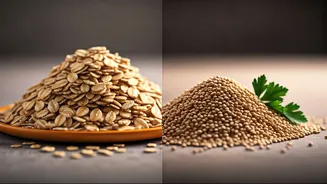
Oats and quinoa are staples in health-conscious eating, lauded for their nutritional density and versatility. Oats, a classic breakfast grain, offer a soft
texture and are celebrated for their high fiber content, aiding digestion and cardiovascular health. Quinoa, technically a seed but treated as a grain, boasts a delicate nutty flavor and fluffy consistency, with an added advantage of being gluten-free. Both are nutritional powerhouses, but their protein quality, micronutrient profiles, and overall health contributions vary, making the optimal choice dependent on individual dietary aspirations and needs.
Protein Power Play
When prioritizing protein intake, quinoa emerges as the frontrunner. It not only delivers a slightly higher protein count per serving compared to oats but also possesses a complete amino acid profile, meaning it contains all nine essential amino acids vital for bodily functions. Nutritionists highlight quinoa as an excellent protein source, particularly for vegetarians, supporting muscle recovery and overall physical well-being. While oats provide a respectable amount of protein, their true strength lies in their fiber content and sustained energy release, making them a valuable component of a balanced diet, especially when complemented with dairy or nuts.
Oats' Enduring Benefits
Oats are renowned for their significant fiber content, especially beta-glucan, a soluble fiber known for its cholesterol-lowering and heart-protective properties. This high fiber content also contributes to a prolonged feeling of fullness, effectively curbing unnecessary snacking and aiding in weight management. The slow energy release from oats makes them an ideal breakfast choice, providing sustained vitality throughout the day. Furthermore, their ease of preparation and adaptability in various culinary creations make them an accessible and practical addition to daily meals.
Quinoa's Complete Advantage
Quinoa's distinction lies in its status as a complete protein, offering a comprehensive amino acid profile that is particularly beneficial for muscle development and post-exercise recovery. Beyond protein, it is a rich source of essential minerals like iron and magnesium, contributing significantly to overall health. Quinoa is also gentle on the digestive system, making it a suitable option for individuals with gluten sensitivities. Its culinary versatility allows it to be incorporated into a wide array of dishes, from refreshing salads and hearty grain bowls to acting as a wholesome rice substitute.
Incorporating into Diet
Integrating oats into your daily meals can be as simple as preparing a warm bowl of oatmeal topped with fruits and nuts for breakfast. For a fiber boost, blend oats into smoothies or use them as a base for healthy pancakes and chilla. Adding oats to soups can enhance their thickness and nutritional value, while overnight oats offer a convenient, ready-to-eat option. Quinoa can be a foundation for vibrant salads and grain bowls, or it can replace rice in lunch dishes. It also adds substance to soups and vegetable mixes, and can be transformed into a delicious pulao or used as a flavorful filling for wraps and stuffed delicacies, offering diverse ways to enrich your diet.