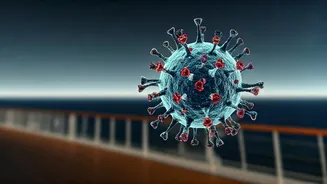









Cruise Ship Hantavirus Cases
The World Health Organization has confirmed a hantavirus outbreak that originated on the cruise ship MV Hondius, leading to three passenger deaths and
raising fears of further infections. The disease, a rare respiratory illness usually spread by rodents, has sparked international health monitoring. Officials noted that one strain identified, the Andes virus, possesses the capability for human-to-human transmission, a characteristic that heightens concern. While the outbreak is considered contained, the WHO stressed that additional cases could emerge due to the virus's incubation period, which can extend up to six weeks. This situation prompted immediate action from health authorities worldwide to trace and monitor individuals who were on board or had contact with infected passengers, underscoring the critical need for vigilance and swift public health interventions to mitigate any potential escalation.
Global Response and Precautions
In response to the hantavirus outbreak, international health agencies and governments are actively engaged in contact tracing and implementing precautionary measures. The WHO, in particular, has been instrumental in coordinating efforts, informing 12 countries whose nationals disembarked from the affected cruise ship. The organization's emergency alert and response director expressed confidence that the outbreak would remain limited if public health measures are diligently applied and international cooperation is maintained. Passengers and crew from the MV Hondius are undergoing medical evaluation and isolation in various countries, including Britain, Germany, the Netherlands, Switzerland, and South Africa. Argentina is also undertaking investigations, planning to test rodents in Ushuaia, the ship's departure point, to ascertain the initial source of the infection. This multi-faceted approach, combining surveillance, isolation, and scientific inquiry, is crucial for preventing wider dissemination of the virus, especially given the absence of vaccines or cures for hantavirus.
Understanding Hantavirus Risks
Hantavirus, though rare, poses significant health risks, typically manifesting as a severe respiratory illness. The primary mode of transmission is through contact with infected rodents, their urine, or droppings. However, the Andes virus strain, detected in this particular outbreak, introduces the heightened concern of human-to-human contagion, a factor that differentiates it from more common rodent-borne hantavirus infections. Symptoms can range from respiratory distress to cardiac issues and hemorrhagic fevers, with no specific cure or preventative vaccine available. The lengthy incubation period of up to six weeks means individuals may unknowingly spread the virus if proper isolation protocols are not followed. Public awareness and adherence to hygiene practices, such as avoiding rodent-infested areas and ensuring proper sanitation, are paramount in minimizing exposure risks and safeguarding public health against this potentially deadly pathogen.