







Understanding Missi Roti
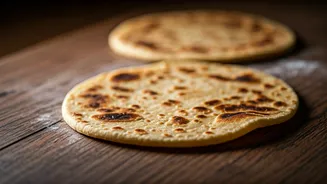
Missi roti, a beloved Punjabi flatbread, owes its distinctive taste to a blend of gram flour (besan) and wheat flour, complemented by aromatic spices.
Its appeal lies in a delightful contrast of earthy flavors, delightfully crisp edges, and a wonderfully soft interior. However, many home cooks encounter frustrating issues like dough cracking or rotis disintegrating during rolling. The primary culprit is often the nature of besan itself; it lacks sufficient gluten, the protein network that provides elasticity and structure in doughs made solely from wheat. This deficiency makes the dough inherently more fragile, requiring careful handling and specific preparation methods to ensure success. Achieving that perfect, soft missi roti is entirely within reach with the right approach to ingredients and technique.
Key Ingredients & Ratios
The foundation of a successful missi roti lies in selecting fresh, high-quality flours and maintaining an optimal balance between gram flour and whole wheat flour. Using older flour can lead to a dry, crumbly dough that's difficult to manage. A balanced ratio is crucial; leaning too heavily on besan can result in a dough that dries out quickly and resists rolling, increasing the likelihood of cracks. To enhance softness and pliability, incorporating a small amount of milk into the dough mixture is a game-changer. Milk not only contributes to a more tender texture but also adds a subtle richness to the overall flavor profile. Furthermore, the choice of spices significantly impacts the authentic taste. Opting for freshly crushed spices, rather than pre-ground varieties, releases a more potent aroma and ensures they integrate seamlessly into the dough, magnifying the traditional Punjabi essence of every bite.
Dough Preparation Mastery
Achieving a soft, pliable dough is paramount to preventing missi roti from cracking. Begin by gradually adding water as you knead, aiming for a smooth, consistent texture that isn't too stiff or too sticky. A dough that's too tight will inevitably lead to cracks during the rolling process. Once the dough is formed, it's essential to let it rest for a minimum of fifteen minutes. This crucial resting period allows the flours to fully absorb the moisture, which significantly improves the dough's elasticity and makes it much easier to handle and roll. For added flavor and textural complexity, consider incorporating finely chopped onions, fresh green chilies, and a pinch of crushed kasuri methi (dried fenugreek leaves) directly into the dough. These additions not only elevate the taste but also contribute to a more satisfying mouthfeel, making your missi rotis truly exceptional.
Rolling & Cooking Techniques
The art of rolling missi roti requires a gentle touch and the right technique. Lightly dust your rolling surface and the dough ball before you begin. Roll with consistent, light pressure, avoiding the temptation to press too hard, which can cause the edges to split or the roti to break apart. Patience is key here. When it comes to cooking, maintaining a medium heat on your griddle or tawa is vital for even cooking. High heat can cause the roti to cook too quickly on the outside, drying it out before the interior is properly done. Once the missi roti is perfectly cooked on both sides, immediately brush a small amount of ghee or butter over its surface. This final step not only imparts a rich, lustrous finish but also ensures the roti remains wonderfully soft and moist, locking in that delicious homemade flavor.