




Odia Cuisine's Subtle Charm
Indian culinary discussions frequently focus on the rich gravies of Punjabi dishes, the vibrant spices of the South, or Bengali sweets. However, industrialist
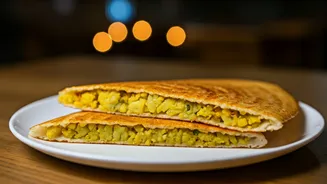
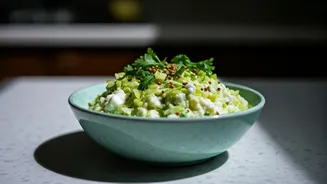
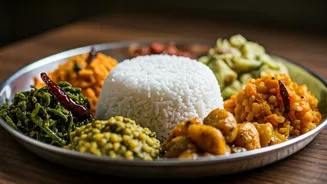
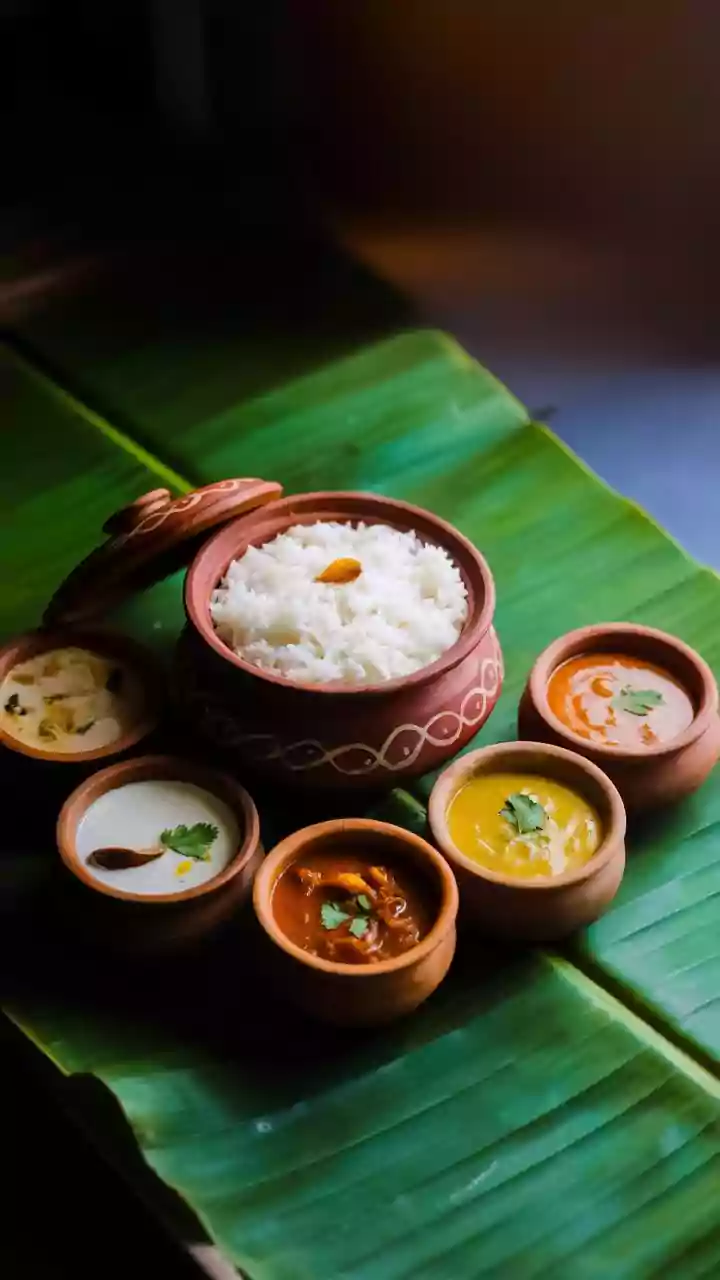
Harsh Goenka has recently championed Odia cuisine, advocating for its rightful place among India's esteemed regional food traditions. Goenka, after experiencing a homemade Odia meal, expressed his admiration on social media, noting the cuisine's remarkable restraint. He highlighted its absence of excessive cream, butter, or chilli, instead emphasizing its core strengths: balance, the distinctive flavour of mustard, the art of fermentation, pleasing textures, and an overarching sense of freshness. This focus on subtlety and ingredient integrity sets Odia food apart, celebrating the natural essence of its components without overwhelming them, a stark contrast to cuisines that often rely on bold, overpowering tastes. The meal included comforting classics like Dahi Bara Aloo Dum, Drumstick-Brinjal Besara, Chhena Tarkari, Chakuli Pitha, and Aloo Patra Besara, all prepared with a homemade touch.
Techniques and Ingredients
The essence of Odia cooking lies in its masterful transformation of simple, readily available ingredients through thoughtful culinary techniques. Rather than relying on heavy oils or excessive spices, this cuisine embraces methods like slow-cooking, often incorporating the pungent, earthy notes of mustard, and the delicate process of steaming. Fermentation also plays a crucial role, adding depth and complexity to various dishes. This approach allows the natural flavours of seasonal produce to take centre stage. Goenka's experience with dishes such as Dahi Bara Aloo Dum and Chakuli Pitha exemplifies this philosophy, showcasing how basic elements can be elevated into sophisticated and nourishing meals. The cuisine's deep connection to local produce and its heritage, including traditions from the sacred kitchens of temples, further underscore its focus on wholesome, balanced nourishment.
Cultural Resonance and Recognition
Harsh Goenka's praise for Odia cuisine resonated deeply online, particularly with those who have long felt its culinary contributions have been underappreciated. Comments on his post underscored the simplicity, healthfulness, and superior taste of Odia dishes compared to richer, spicier, or oilier alternatives. Many users shared personal anecdotes, mentioning beloved dishes like Dalma, Besar Patra Poda, and various pithas, often enjoyed with Pakhal. The profound connection of Odia cuisine to the Jagannath Temple in Puri, renowned for its vast and ancient kitchen, was also frequently cited. The temple's 'Abhada' (sacred food) was described as divine, evoking powerful memories for many. The discussion also touched upon the potential reasons for its lack of widespread recognition, with some suggesting that a lack of aggressive marketing has kept it from the mainstream. A suggestion was made to broaden Indian menu classifications beyond just 'North' and 'South Indian' to include an 'East Indian' category, thereby celebrating the culinary richness of Odisha and its neighbouring eastern states.