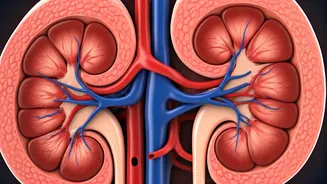









Understanding Diabetes Better
Diabetes, a chronic health condition, requires ongoing management to prevent complications and maintain a good quality of life. At its core, diabetes disrupts
the body's ability to process glucose, the primary energy source. There are several types of diabetes, with Type 1 being an autoimmune disorder where the body attacks insulin-producing cells and Type 2 related to lifestyle factors like diet and lack of exercise. Successful management hinges on understanding these fundamental aspects. Regular monitoring of blood sugar levels, through techniques like finger-prick tests or continuous glucose monitors, is crucial. This helps individuals understand how their bodies respond to food, medication, and physical activity. Furthermore, gaining a basic knowledge of carbohydrate counting, which tracks the amount of carbs consumed in meals, helps in dose management and overall glucose control. Education about the symptoms, complications, and treatment options for each type is crucial to managing the condition well.
Ditching Dietary Deceptions
One of the most significant traps in diabetes management is believing false dietary information. Numerous misconceptions can undermine efforts to control blood sugar levels effectively. A common misconception is that all carbohydrates are the enemy. The key is distinguishing between complex and simple carbohydrates, focusing on whole grains, fruits, and vegetables over processed foods and sugary drinks. Another pitfall is the belief that a very restrictive diet is necessary. The focus should be on balance and moderation rather than extreme restriction, as this approach is often unsustainable. Portion control is essential, regardless of the foods consumed. Consuming large meals, even if healthy, can lead to blood sugar spikes. It's also important to understand the glycemic index (GI) and glycemic load (GL) of foods to make informed food choices. High-GI foods cause rapid blood sugar spikes, while low-GI foods lead to a slower and more gradual increase. Finally, ignoring the impact of added sugars is a huge error. Reading labels and being mindful of hidden sugars is essential for keeping blood sugar levels stable.
Exercise: A Crucial Ally
Regular physical activity is a potent tool in managing diabetes. Exercise improves insulin sensitivity, which allows the body to use insulin more effectively, thereby reducing blood sugar levels. However, many individuals with diabetes underestimate the importance of incorporating exercise into their routines. A significant hurdle is the lack of a structured exercise plan. It's important to create a plan that combines aerobic exercises, such as brisk walking, running, or swimming, with resistance training, like weightlifting or bodyweight exercises. Another common issue is the lack of consistency. Sporadic bouts of exercise are less effective than a consistent routine. Aim for at least 150 minutes of moderate-intensity aerobic exercise per week, spread throughout the week. Pre and post-exercise blood sugar monitoring is important to understand how exercise impacts blood glucose levels. This helps in adjusting medication or food intake as needed. Furthermore, choosing the right type of exercise for your body is equally important, as some exercises may be more beneficial than others based on individual health conditions.
Medication & Adherence
Medication adherence is the cornerstone of effective diabetes management, and it represents another area where many individuals struggle. Regular use of prescribed medications is crucial to maintain stable blood sugar levels. A common challenge is forgetting to take medications or not understanding their importance. Setting reminders or using medication organizers helps maintain a consistent schedule. Non-adherence can stem from a lack of understanding of the medications or their potential side effects. Always be informed about your medications. Additionally, some people might fear medication side effects or become complacent when they feel well. It is important to remember that medication is a tool to manage diabetes, not a cure, and must be used as prescribed. Furthermore, failing to inform healthcare providers about any problems with medication can lead to missed opportunities for treatment adjustments. Always communicate any issues or side effects with your doctor.
Regular Health Check-ups
Regular medical check-ups play a crucial role in preventing long-term complications and maintaining overall health for individuals with diabetes. A major mistake is missing or delaying appointments with healthcare providers. Routine visits with a doctor, endocrinologist, or diabetes educator are necessary for ongoing health management. Many complications, such as eye, kidney, and nerve damage, are more manageable when detected early. Regular eye exams, kidney function tests, and foot examinations are essential. Furthermore, individuals may overlook the importance of preventive screenings, like vaccinations or cardiovascular risk assessments. People with diabetes are at a higher risk of heart disease, so regular checks of blood pressure, cholesterol levels, and cardiovascular health are necessary. Maintaining a healthy lifestyle, including proper nutrition, regular exercise, and stress management, complements the effectiveness of regular health check-ups. Actively participating in your health management is key, and this starts with regular check-ups and open communication with your healthcare team.