Policy's Role in Growth
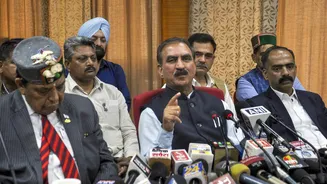
Government policies play a pivotal role in shaping the startup environment in India. Various schemes and initiatives have been put in place to foster innovation,
provide financial assistance, and simplify regulatory processes for new businesses. One area of focus has been to reduce compliance burdens, making it easier for startups to operate and grow. These policies are intended to create a conducive atmosphere for startups by offering tax incentives, funding opportunities, and mentoring programs. The government's push for digital infrastructure, including initiatives like Digital India, further supports the startup ecosystem by enabling easier access to technology and online platforms. The intention is to create a dynamic environment where startups can thrive, contribute to economic growth, and generate employment. Addressing specific challenges, like the need for improved infrastructure in some regions, is also part of the broader policy approach. Furthermore, the goal is to make India an attractive destination for both domestic and international investors. The overarching objective is to build a vibrant and sustainable startup ecosystem that drives India's economic progress.
Infrastructure: Building Blocks
Infrastructure is a critical component for the success of startups. Adequate infrastructure ensures businesses have access to the resources needed for operations and expansion. This encompasses everything from reliable internet connectivity, which allows for smooth digital operations, to well-equipped co-working spaces and incubation centers that offer essential resources and networking opportunities. Furthermore, modern transportation and logistics networks are essential for the distribution of goods and services, especially for startups involved in e-commerce or manufacturing. Investing in infrastructure development is seen as a key aspect of making India more appealing for startups. Efforts to improve connectivity in remote areas, for instance, can broaden the reach of startups and enable them to tap into new markets. Besides, the development of specialized infrastructure, such as research and development facilities or technology parks, caters to the specific needs of certain sectors. The government's emphasis on infrastructure development aims to provide a strong foundation for the long-term growth and competitiveness of the Indian startup ecosystem.
Investment & Funding Dynamics
The availability of funding is a key factor that determines the trajectory of startups. India's startup ecosystem has seen an increase in investment, attracting both domestic and global venture capital. These investments provide the necessary capital for startups to scale their operations, develop innovative products, and expand into new markets. Government initiatives, such as the Startup India Seed Fund Scheme, have been designed to provide financial support to early-stage startups. However, securing funding remains competitive, and startups must often navigate complex processes to attract investors. Therefore, understanding the dynamics of investor preferences, market trends, and valuation models is critical. This includes developing a compelling business plan, demonstrating a strong value proposition, and showcasing the potential for rapid growth. Furthermore, the diversification of funding sources is important for the stability and sustainability of the startup ecosystem. This entails encouraging angel investors, venture capital firms, and private equity funds to participate actively. The presence of a vibrant investment landscape boosts the growth of startups.
Challenges & Opportunities
While India's startup ecosystem has shown substantial progress, it still faces various challenges that need to be addressed. These include regulatory hurdles, access to funding, and the need for skilled talent. Streamlining regulations, reducing bureaucratic bottlenecks, and simplifying compliance requirements are essential steps in creating a business-friendly environment. Additionally, improving access to finance for startups, particularly in tier 2 and tier 3 cities, is vital for inclusive growth. Another significant challenge involves addressing the shortage of skilled professionals in areas such as technology, marketing, and finance. Addressing this need is where initiatives that promote education and skill development are crucial. On the other hand, the vast domestic market, increasing digital penetration, and government support offer significant opportunities for Indian startups. The burgeoning digital economy, in particular, offers fertile ground for innovation. Furthermore, the growth of e-commerce, mobile technology, and data analytics creates openings for new businesses to emerge and disrupt traditional markets. The convergence of these factors positions India as a prime location for startups, driving innovation and economic expansion.