





The Lycopene Advantage
Tomatoes are celebrated for their nutritional value, but a key compound, lycopene, is often underestimated in its potential for health and well-being,
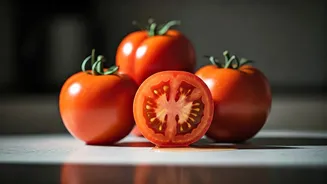
particularly concerning anti-aging effects. Lycopene, the pigment responsible for the vibrant red hue of tomatoes, is a potent antioxidant. Scientific studies have indicated that this remarkable compound can contribute to a reduced risk of cardiovascular diseases and certain types of cancer. Furthermore, its role in skin health is increasingly recognized, with research suggesting it can act as an internal shield against sun damage and help maintain skin's youthful appearance by protecting collagen and preventing the formation of age spots. However, effectively harnessing these benefits requires understanding how our bodies process this nutrient.
Raw vs. Cooked: The Absorption Secret
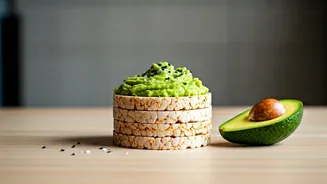
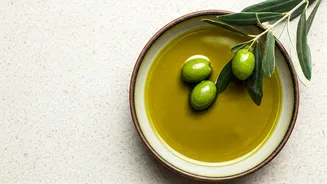
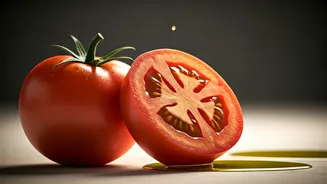
Many assume that consuming tomatoes in their raw state maximizes nutrient intake, but this is a common misconception according to experts like Dr. Lucia Aronica, an epigenetics scientist and nutrition researcher. While raw tomatoes do offer valuable vitamins, their lycopene content is not as readily absorbed by the body. The crucial insight lies in cooking. When tomatoes are heated, their cellular structures break down, making lycopene more accessible. The real game-changer, however, is the addition of healthy fats. Lycopene is a fat-soluble nutrient, meaning it requires fat to be effectively absorbed and utilized by the body. Therefore, simple cooking methods combined with sources of healthy fats, such as olive oil or avocado, are key to significantly increasing the bioavailability of lycopene.
Maximizing Lycopene Intake
To truly unlock the anti-aging and health-promoting capabilities of tomatoes, a specific preparation method is recommended. Dr. Aronica highlights that while clinical trials often use lycopene supplements to achieve effective doses (around 10 mg), replicating this amount through raw tomatoes would necessitate consuming an impractical quantity, estimated at about 20 pounds daily. The ingenious solution, mirroring traditional cooking practices, is to cook tomatoes with oil. When tomatoes are cooked, especially into a paste, and combined with a healthy fat like olive oil, the absorption of lycopene is dramatically enhanced. This simple step, akin to what Italian grandmothers have done for generations, can boost lycopene availability by an astonishing 70 percent. For instance, just three tablespoons of tomato paste cooked with olive oil can provide the significant 10 mg of lycopene utilized in studies, making the health benefits far more attainable.
Practical Culinary Applications
Translating this scientific advice into everyday meals is straightforward and delicious. Instead of reaching for raw tomatoes for every meal, consider incorporating cooked tomato preparations paired with healthy fats. This could involve simmering a rich tomato sauce using olive oil as a base, which can then be used in a variety of dishes like pasta, stews, or as a dip. Another excellent option is to roast tomatoes with a drizzle of olive oil or avocado oil; roasting concentrates their flavor and aids lycopene release. Even simple additions to salads, like diced cooked tomatoes mixed with avocado or a light vinaigrette made with olive oil, can enhance lycopene absorption. These culinary adjustments ensure you are not just enjoying the taste of tomatoes but also maximizing their profound benefits for internal health and external radiance.