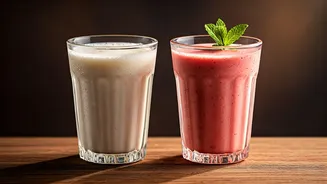









Defining the Coolers
When the mercury soars, the quest for a quick cooling beverage leads many to traditional Indian drinks. Among the most popular are buttermilk and lassi,
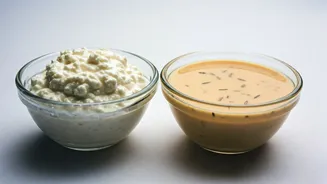
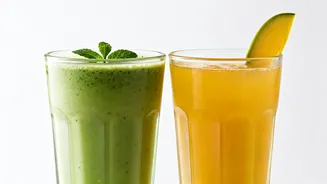
both celebrated for their refreshing qualities. While they share a common base of dairy, their preparation and resulting characteristics set them apart significantly. Buttermilk, known in Hindi as 'chaas' or 'mattha', is typically a lighter concoction. It's made by agitating cream or churning curd with water, often resulting in a thin, somewhat tangy liquid. Its lower fat content and fermented nature contribute to a pleasingly light feel, making it an excellent choice for post-meal refreshment or when seeking a simple hydrator. Lassi, on the other hand, presents a more indulgent experience. Crafted by blending yogurt with water, it's frequently enhanced with sweeteners like sugar, or infused with fruits and spices, leading to sweet or savoury variants. The resultant drink is noticeably thicker and creamier, offering a more substantial and filling sensation than its counterpart, which influences its physiological effects.
Speed of Cooling
The core question for many during intense heat is which of these beloved drinks provides the most immediate relief. If the primary goal is rapid cooling, buttermilk often takes the lead. Its inherently lighter consistency and a higher proportion of water allow it to be absorbed and utilized by the body more swiftly, facilitating quicker hydration. This means that the sensation of coolness can be felt more rapidly. Lassi, while undoubtedly cooling, has a denser texture due to its richer ingredients, such as yogurt and potential additions like sugar or cream. This thickness means that the digestive process for lassi is typically more prolonged. Consequently, the body takes longer to break down and absorb the nutrients and liquid from lassi, translating to a more gradual, albeit sustained, cooling effect. Therefore, for an instant quench of heat-induced discomfort, buttermilk's composition makes it the faster-acting option.
Digestive Impact
Beyond mere temperature reduction, the way these drinks interact with our digestive system plays a crucial role in how we perceive their cooling benefits. Buttermilk is often lauded for its digestive advantages. Its fermented nature means it's packed with beneficial probiotics, which are excellent for gut health. These live cultures help in breaking down food and can alleviate common digestive woes like bloating and acidity, promoting a sense of internal comfort. Its low-fat profile also makes it gentle on the stomach. Lassi, while nutritious, can sometimes feel heavier. The inherent richness of yogurt, especially when combined with added sugar or cream, requires more effort from the digestive system. While it still offers nutrients like protein and calcium, its more substantial composition means it's not as immediately soothing for those experiencing digestive sensitivity or seeking light refreshment. Enhanced digestion directly correlates with a more efficient and noticeable cooling sensation from within.
Nutritional Values Compared
Both buttermilk and lassi contribute valuable nutrients to our diet, but their overall nutritional profiles differ based on their preparation. Each drink is a good source of essential components like protein and calcium, vital for bone health and muscle function. Vitamins are also present in both, supporting overall well-being. However, a key distinction emerges in their fat and calorie content. Buttermilk, being diluted and often made from lower-fat yogurt or skimmed milk after churning, generally contains fewer calories and less fat. This makes it a lighter choice for calorie-conscious individuals or those preferring a less indulgent beverage. Lassi's nutritional story is more variable. Depending on whether it's made with full-fat yogurt, sweetened generously with sugar, or enriched with cream, its calorie and fat content can be considerably higher. This richer composition makes it more filling but also less ideal for those monitoring their intake of fats and sugars.