






Colourful Diet Myths
Dispelling the myth that colourful meals equate to junk food, this section highlights the insights of Dr. Karan Rajan. He argues that a lack of colour in one's
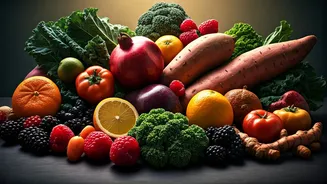
diet, often characterized by beige, processed foods, is detrimental to the gut microbiome. Dr. Rajan emphasizes that each distinct colour present in fruits and vegetables signifies a unique array of plant compounds, each contributing to a different set of health advantages. Therefore, a visually diverse plate is not a marker of unhealthiness, but rather an indicator of a well-rounded and beneficial dietary approach. The absence of a broad spectrum of colours can leave beneficial gut bacteria understimulated and lacking essential nutrients, hindering their optimal function.
Blue & Purple Powerhouses
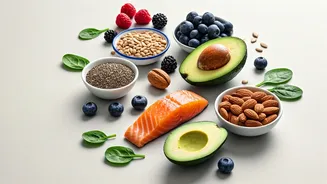
Dive into the world of blue and purple foods, exemplified by blueberries. These vibrant hues are attributed to anthocyanins, potent antioxidants with significant implications for cognitive and vascular health. Anthocyanins have demonstrated a positive influence on cardiovascular function and brain health, helping to protect against cellular damage and inflammation. Consuming foods rich in these compounds can contribute to a stronger circulatory system and enhanced mental acuity, making them essential for overall well-being and potentially warding off age-related cognitive decline.
Red's Rich Benefits
Explore the health advantages offered by red fruits and vegetables, with tomatoes serving as a prime example. The striking red pigment in tomatoes comes from lycopene, a powerful antioxidant. Lycopene is closely associated with promoting heart health and maintaining the integrity of the gut lining. Research suggests that lycopene can play a role in reducing the risk of certain chronic conditions, including heart disease and specific types of cancer. Its presence contributes to a robust defense against oxidative stress and supports the healthy functioning of both the cardiovascular system and the digestive tract.
Green's Vitality Boost
Focusing on the green spectrum, this section examines leafy greens like spinach and kale. Their characteristic green colour is derived from pigments that are beneficial for eye and brain health. These vegetables are abundant in lutein and zeaxanthin, crucial compounds that help safeguard vision and may reduce the risk of age-related macular degeneration. Incorporating these greens into your diet provides essential nutrients that support visual acuity and cognitive function, contributing to long-term health and well-being for these vital organs.
Fibre Diversity for Gut
Understand how different coloured plants contribute to a thriving gut microbiome through diverse fibre types. Each colour often signifies distinct types of fibre, which in turn nourish different species of beneficial gut bacteria. This variety in fibre intake leads to varied fermentation processes occurring in different sections of the colon, ultimately producing a range of valuable compounds. These compounds can have anti-inflammatory effects and support overall digestive health, emphasizing the importance of a colourful diet for a balanced and active gut ecosystem.
The Rainbow Diet's Impact
Conclude by understanding the comprehensive benefits of 'eating the rainbow,' a concept that goes beyond simplistic wellness trends. This dietary approach ensures a rich intake of polyphenols, antioxidants, and a wide array of fibres that work synergistically to improve health. By consuming a variety of colours, you provide your gut microbiome with the diverse fuel it needs to function optimally. Neglecting this colourful diversity can lead to an understimulated and bored microbiome, impacting nutrient absorption and overall bodily functions. It's a practical and effective strategy for enhancing both gut health and general well-being.