






The Protein Pitfall
Many people embarking on a weight loss journey inadvertently make a significant misstep that hinders their progress. Dr. Pal Manickam, a gastroenterologist,
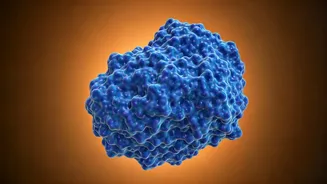
shared his personal experience on Instagram, highlighting that his primary mistake was insufficient protein consumption. He strongly advises others to avoid repeating this error. This oversight is not just about feeling hungry; it has direct implications for metabolic health and muscle maintenance, particularly as individuals age. When protein intake is too low, the body struggles to preserve lean muscle mass, which is a critical component for sustaining a healthy metabolic rate. The consequence of muscle loss is a slowdown in metabolism, making it easier to gain weight and harder to shed it. Furthermore, a lack of essential nutrients from inadequate protein can lead to increased susceptibility to illness and heightened cravings for less healthy food options.
Protein and Muscle Synergy
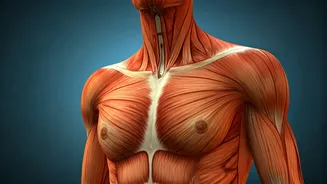
While increasing protein intake seems like a straightforward solution for weight loss, the context of physical activity is paramount. Experts like Ekta Singhwal and Dt. Amreen Sheikh emphasize that simply consuming more protein, especially through supplements like shakes or bars, without a corresponding increase in muscle-building activities, can backfire. Muscles are the engines of metabolism, and to stimulate their growth or preservation, the body needs a signal, which comes from strength or resistance training. Without this stimulus, the body may not efficiently utilize the extra protein for muscle synthesis. Instead, it might use it for basic bodily functions or even convert the excess into stored energy, thereby contributing to weight gain. Therefore, protein alone does not automatically build muscle; it's the combination of adequate protein and targeted exercise that dictates how the body uses these nutrients.
Optimising Protein Intake
The most effective approach to integrating protein into a weight loss plan is through a strategy known as 'protein pacing,' as recommended by Dr. Biju, Chief Medical Officer at Vieroots. This method involves consuming an optimal amount of protein at regular intervals throughout the day, rather than concentrating it in one or two meals. This practice is generally suitable for most individuals, with exceptions for those who have specific protein metabolism disorders or medical conditions, such as certain renal diseases, that require protein restriction. The core principle of protein pacing is to first determine your total daily protein needs based on your body weight and activity level. This total amount is then divided into smaller, consistent portions to be consumed with each meal or snack. This even distribution helps in maximizing benefits such as sustained feelings of fullness, better muscle preservation, and an optimized metabolic rate.
Metabolic Advantages of Pacing
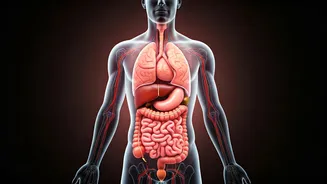
Implementing protein pacing can significantly aid weight loss efforts by strategically managing your body's energy balance. By consuming the right amount of protein, tailored to your individual body weight and metabolic requirements, and distributing this intake evenly across the day, you can enhance your body's fat-burning capabilities. While protein itself doesn't directly incinerate fat, it plays a vital role in controlling appetite and reducing cravings. When protein is a component of every meal, the likelihood of overindulging in carbohydrates and exceeding your calorie targets diminishes. Moreover, the process of digesting protein requires more energy than digesting carbohydrates, leading to a slight increase in calorie expenditure. This thermic effect, combined with a reduced overall calorie intake due to better satiety, supports a calorie deficit, which is fundamental for effective fat loss.