






MSME's Significance Explained
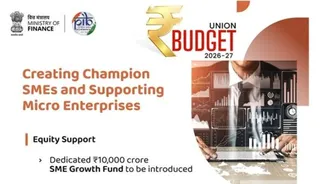
MSMEs are fundamentally important to India's economy. These ventures are the driving force behind job creation and significantly contribute to the country's
GDP. They also play a critical role in fostering innovation and boosting exports. Recognizing this, the Indian government's move to support MSMEs through the Budget 2026 is strategic, aiming to strengthen their capabilities and improve their operational efficiency. The government's focus reflects a deep understanding of MSMEs' contribution to economic expansion and inclusive growth, thus making them a top priority in national economic policy. By supporting these enterprises, the government can stimulate economic growth, promote entrepreneurship, and improve India's position in the global market.
Introducing 'Corporate Mitras'
The Budget 2026 proposes the creation of a 'corporate mitras' cadre to assist MSMEs. These individuals will serve as advisors and facilitators, offering a range of services designed to improve operational efficiencies and help MSMEs comply with various regulations. The 'corporate mitras' are intended to be well-versed in business processes and regulatory frameworks. They will facilitate MSMEs' access to credit, assist with navigating government policies, and help in the adoption of modern technologies. This assistance aims to remove barriers to growth that MSMEs typically encounter, such as complex regulatory landscapes and limited access to finance and knowledge. Through this scheme, the government aims to enhance the business environment for MSMEs, enabling them to realize their full potential.
Mitras' Role and Functions
The responsibilities of the 'corporate mitras' will be diverse. Their primary role will be to provide personalized guidance to MSMEs, addressing their specific needs. They will act as intermediaries between MSMEs and government agencies, helping them in understanding and complying with various policies. Another key function is facilitating access to funding options, including loans and grants, by guiding MSMEs through application processes. The 'corporate mitras' will also assist in technology adoption, by showcasing modern techniques and resources, helping MSMEs to embrace innovations for enhanced productivity. These services are vital for creating a business-friendly environment that helps MSMEs to thrive.
Expected Impact on MSMEs
The implementation of the 'corporate mitras' program is expected to have a significant positive impact on Indian MSMEs. It is hoped that the support will reduce the complexities MSMEs face in their day-to-day operations and help streamline their processes. By improving their operational efficiency, the initiative aims to boost their competitiveness in domestic and international markets. The program is expected to improve access to financing and technological resources, essential for the growth of MSMEs. Overall, this initiative aims to create a more resilient and dynamic ecosystem for these businesses, helping them to adapt and flourish in a fast-paced business world.
Strategic Economic Benefits
Beyond its direct benefits to MSMEs, the 'corporate mitras' initiative will contribute significantly to the broader Indian economy. By improving the performance of MSMEs, the program is poised to boost economic growth, generating more jobs. As MSMEs grow, their contribution to exports will increase, leading to a rise in foreign exchange earnings. This initiative also aims to encourage innovation and entrepreneurship, key drivers of sustained economic development. By fostering a supportive ecosystem for MSMEs, the government is not only aiding individual businesses but also building a more robust and diverse economic structure for the future, contributing to India's long-term prosperity.
Challenges and Considerations
While the 'corporate mitras' program has several positive attributes, certain challenges need to be addressed. Ensuring the quality and expertise of 'corporate mitras' will be vital to the program's success; comprehensive training and selection processes are therefore essential. Effective monitoring mechanisms will also be required to ensure that the program meets its objectives and adapts to evolving requirements. Furthermore, establishing clear lines of communication between 'corporate mitras', MSMEs, and government bodies will be crucial for seamless implementation and optimum results. It will be important to monitor the program’s progress and make adjustments as required to guarantee that it effectively meets the requirements of MSMEs and boosts the economic goals.