





The Oiling Tradition
Hair oiling has been a cherished ritual in India for ages, with the practice of 'champi' deeply embedded in haircare traditions. However, the current beauty
discourse often pits scalp oiling against strand oiling. While both methods offer unique advantages and serve distinct purposes, understanding their individual roles is crucial for achieving stronger, longer, and healthier hair. This exploration aims to clarify which technique best supports your hair growth journey.
Scalp Oiling's Role
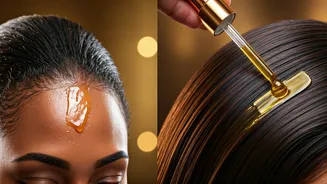
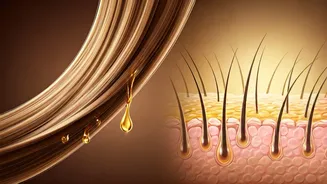
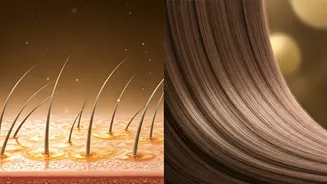
Scalp oiling involves directly applying oil onto the scalp, typically followed by a gentle massage. This practice is designed to invigorate blood circulation, delivering vital nutrients directly to the hair follicles. It fosters an optimal environment for robust hair growth and significantly enhances scalp health by hydrating the skin and mitigating common issues like dandruff, itchiness, and flakiness. A healthy scalp is the foundation for strong, resilient hair. However, it's important to note that over-application can lead to clogged pores, weigh down fine hair, and potentially exacerbate dandruff concerns, so moderation is key.
Strand Oiling's Purpose
Strand oiling concentrates on coating the hair shaft, primarily from mid-lengths to the ends, deliberately avoiding the scalp. This application creates a protective shield around each strand, minimizing friction that occurs during everyday activities like styling and brushing. It effectively locks in moisture, combats frizz, and imparts a glossy, smoother appearance to the hair. The protective layer also acts as a defense against damage, particularly from heat styling tools. However, excessive use can result in hair appearing greasy and feeling weighed down, potentially leading to a flat look.
The Synergistic Approach
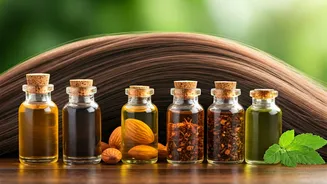
For optimal hair health and growth, integrating both scalp and strand oiling techniques offers the most comprehensive benefits. Aim to oil your scalp twice weekly, dedicating about 10-15 minutes to stimulating circulation. Subsequently, apply oil to the mid-lengths and ends of your hair to seal in moisture and reinforce against breakage. Allow the oil to penetrate for approximately one to two hours before cleansing with a mild shampoo. Incorporating lightweight oils such as coconut, argan, almond, or jojoba can enhance the overall effectiveness of your hair oiling routine. It is vital to understand that oiling primarily strengthens existing hair and reduces damage, indirectly facilitating length retention over time, rather than directly stimulating new growth.