
Understanding Varicose Veins
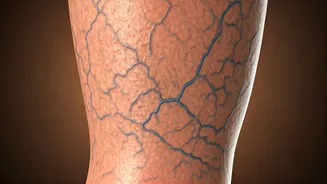
Varicose veins, often appearing as swollen, twisted veins, particularly in the legs, emerge due to weakened or damaged vein valves. These valves, crucial
for directing blood flow back to the heart, fail to function effectively, causing blood to pool. Several factors contribute to this condition, including genetics, prolonged standing or sitting, obesity, and age. While not always symptomatic, varicose veins can cause aching, throbbing, swelling, and skin discoloration. It's essential to recognize these symptoms and seek advice if you encounter them, as early intervention can help prevent the condition from worsening. Regular exercise, maintaining a healthy weight, and avoiding prolonged periods of inactivity are all important to take into consideration when dealing with varicose veins.
Prolonged Standing or Sitting
One of the most detrimental everyday habits is prolonged standing or sitting. Both positions hinder blood circulation in the legs, increasing pressure within the veins. Standing for extended durations makes it harder for blood to flow back to the heart, while sitting, especially with legs crossed, compresses veins and impedes blood flow. These practices substantially increase the risk and severity of varicose veins. Fortunately, there are strategies to mitigate these risks. If your work requires prolonged standing, take regular breaks to walk around or sit down. If your job involves prolonged sitting, get up every half hour, and take a quick walk or stretch. These simple actions can significantly improve circulation and reduce strain on your veins.
Tight Clothing Choices
Wearing excessively tight clothing is another habit that can worsen varicose veins. Garments that constrict the waist, groin, or legs can restrict blood flow and increase pressure in the veins. This pressure can cause blood to pool, thereby exacerbating existing varicose veins and potentially contributing to new ones. Avoid tight jeans, leggings, and shapewear to promote better circulation. Loose-fitting clothing allows for easier blood flow and can help alleviate pressure on the veins. Opting for comfortable, non-restrictive attire becomes a proactive step towards better vein health. If you are already dealing with varicose veins, choosing loose clothing becomes even more important. It minimizes the risk of worsening symptoms and supports overall venous health. Making informed clothing choices is a small but important change that can provide significant benefits.
Lack of Physical Activity
A sedentary lifestyle severely affects vein health. Regular exercise is essential to promote good circulation and maintain healthy veins. Physical activity helps improve blood flow and can prevent blood from pooling in the legs. Exercises like walking, swimming, and cycling stimulate calf muscles, which act as a pump to push blood back to the heart. On the other hand, lacking physical activity increases the risk of varicose veins, as it impairs blood flow and increases the pressure within the veins. Incorporating at least 30 minutes of moderate-intensity exercise most days of the week is vital to promote better vein health. It is also important to avoid prolonged periods of inactivity, as this can increase the risk of developing varicose veins.
Unhealthy Diet Choices
Dietary habits can also affect vein health. A diet lacking in fiber can lead to constipation, which increases pressure in the abdomen, potentially increasing the risk of varicose veins. Likewise, a diet high in sodium can cause fluid retention, adding pressure on veins. Make changes to your diet by eating plenty of fiber-rich foods like fruits, vegetables, and whole grains. Additionally, reduce your sodium intake by limiting processed foods and opting for fresh ingredients. Staying hydrated by drinking plenty of water also supports healthy blood circulation. These simple dietary adjustments can have a positive impact on your veins. Consider consulting a nutritionist or healthcare professional for personalized dietary advice tailored to your specific needs and medical history to optimize vein health.
Other Lifestyle Factors
Additional lifestyle factors play a significant role. Obesity places extra pressure on veins, elevating the risk of varicose veins. Quitting smoking can also help your vein health. Tobacco use constricts blood vessels and damages vein walls, worsening the condition. Moreover, genetics and age are inevitable factors. Individuals with a family history of varicose veins are more prone to developing them. While you cannot change your genetics, lifestyle changes can minimize your risk and help to alleviate symptoms. Seeking medical advice is essential, especially if you experience pain, swelling, or skin changes. Professional guidance can offer personalized strategies to improve your vein health.