


Herb Rice Rebirth
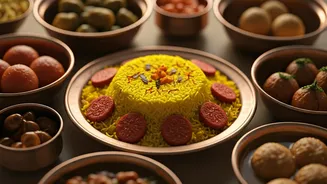
Sabzi Polo, a beloved cornerstone of the Nowruz feast, is a fragrant rice dish artfully combined with a generous medley of fresh, vibrant herbs. Think
dill, parsley, mint, and coriander, finely chopped and integrated into fluffy rice. This dish is more than just a meal; it's a powerful symbol of renewal and rebirth. Its striking green hue is a direct homage to the awakening of nature in spring, mirroring the fresh start that the Persian New Year signifies. Serving Sabzi Polo is a time-honored way to invite newness, freshness, and invigorating beginnings into one's life as the calendar turns.
Sprouted Wheat Strength
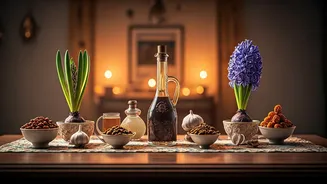
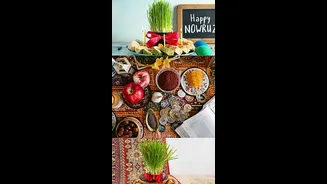
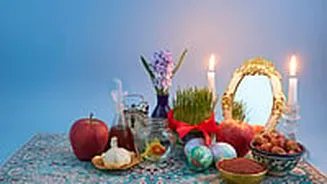
Samanu is a delightful and labor-intensive sweet pudding crafted from germinated wheat. This slow-cooked delicacy, known for its rich, caramel-like flavor and thick, spreadable consistency, embodies significant virtues. It stands as a potent representation of resilience, enduring patience, and abundant prosperity. The meticulous process of sprouting the wheat and transforming it into Samanu requires considerable time and dedicated effort, thereby mirroring the profound rewards that arise from sustained hard work and perseverance. Furthermore, Samanu holds a place of honor as one of the essential seven symbolic items traditionally arranged on the Haft-Seen table, a crucial centerpiece for Nowruz celebrations.
Noodles of Destiny
Reshteh Polo, a rice dish elegantly interwoven with strands of noodles, carries a profound symbolic weight. The noodles themselves are interpreted as representing the threads of life and the intricate tapestry of destiny. The act of consuming Reshteh Polo during Nowruz is steeped in the belief that it can illuminate and guide one's path throughout the upcoming year. It is thought to bring enhanced clarity, a greater sense of personal control over one's life, and a general influx of good fortune as individuals navigate the journey ahead. This dish serves as a culinary metaphor for charting a course toward a promising future.
Green Frittata Vitality
Kuku Sabzi is a flavorful and nutritious herb-rich frittata, a delightful dish built upon a foundation of eggs and an abundant assortment of fresh greens. This vibrant creation is deeply symbolic, representing growth, fertility, and the continuous cycle of renewal. Packed with a wholesome blend of nutrient-dense ingredients, Kuku Sabzi radiates vitality and robust health. Its presence on the Nowruz table is a meaningful affirmation of life itself and the invigorating spirit of seasonal change, making it a cherished element of the celebratory feast that honors life's enduring energy.
Hearty Noodle Soup Unity
Ash Reshteh is a deeply comforting and hearty soup, characterized by its thick consistency and a generous inclusion of herbs, various beans, and, crucially, noodles. This nourishing dish is imbued with symbolism, primarily representing unity and the accumulation of good fortune. The diverse amalgamation of ingredients within the soup signifies togetherness and the strength found in community. The noodles, a recurring theme, further reinforce the notion of life's ongoing journey. Ash Reshteh thus becomes a warm, enveloping culinary embrace, offering both sustenance and meaningful sentiment during the festive period.
Abundant Flowing Fish
Fish, often presented alongside the ubiquitous Sabzi Polo, carries a powerful symbolism of life, continuous movement, and bountiful abundance. Its inclusion in the Nowruz spread is a deliberate signifier of prosperity and forward progress, mirroring the ceaseless flow of time. Serving fish encourages a fresh start, infused with a spirit of growth and a positive outlook for the year ahead. It represents the dynamic nature of existence and the hope for a year rich in opportunities and positive developments, embodying the concept of a vital and energetic new beginning.
Sweet Joys and Treats
No celebration is complete without the delightful presence of traditional sweets, such as the intricate layers of baklava or the variety of delightful 'Shirini'. These sweet confections are not merely treats for the palate; they are profound symbols for the coming year. They represent sweetness itself, promising a year filled with joy, happiness, and pleasant experiences. These delicacies are traditionally shared generously among family members and friends, fostering an atmosphere of harmony and collective celebration. Their presence adds a wonderfully hopeful and delightful note to the entire Nowruz feast, encapsulating the spirit of shared happiness.