
Economic Growth Targets
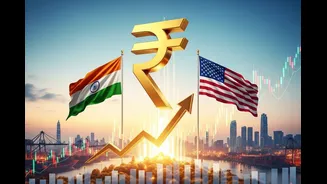
India's aspiration to become the world's third-largest economy by 2026 is a significant economic goal. This objective is fueled by the nation's consistent
economic growth over the past few decades, along with the government’s focus on reforms and investments in infrastructure. Predictions suggest that India's economy could experience substantial expansion, surpassing several developed nations in the process. However, achieving this status hinges on several critical elements, including navigating global economic uncertainties and maintaining robust domestic economic activity. Analysts and economists closely observe these indicators, seeking to understand the feasibility of the target and its implications for the global financial landscape. Achieving this status requires strategic policies, efficient implementation, and adaptability to evolving market dynamics.
Global Economic Landscape
The global economic context is crucial for India's ambitions. Factors such as shifts in international trade, the economic performance of major world economies, and geopolitical stability all play vital roles. Events such as economic downturns in key trading partners, rising inflation rates, and geopolitical tensions can disrupt India's growth trajectory, posing significant challenges to its economic advancement. Moreover, the global shift towards digital economies and technological innovation offers both opportunities and risks. India must leverage its technological capabilities while navigating the complex international relations to enhance its economic position. Monitoring these global trends enables India to anticipate potential roadblocks and capitalize on opportunities to ensure its growth remains robust and sustainable. The country’s ability to adapt and respond to global economic fluctuations will greatly influence its progress.
Domestic Economic Drivers
Internally, various factors propel India's economic growth. Investment in infrastructure, like roads, railways, and ports, is critical, as it improves connectivity and boosts industrial activity. Furthermore, reforms aimed at simplifying business processes, reducing bureaucracy, and attracting foreign investment are essential for fostering economic growth. A robust domestic market, driven by a large and growing population with rising incomes, is another significant driver. Policies that promote entrepreneurship and job creation are also important. The government’s initiatives, such as Skill India and Make in India, are designed to boost manufacturing and develop a skilled workforce. Successful execution of these domestic policies is vital to ensure sustainable and inclusive economic growth. The strength of India's internal economic environment directly impacts its ability to achieve its global economic goals.
Challenges Ahead
Despite significant progress, several challenges remain. One major hurdle is addressing infrastructure gaps, as insufficient infrastructure can impede economic activities and increase costs. Another challenge is to manage rising inflation and ensure economic stability. Moreover, creating sufficient employment opportunities for the rapidly growing workforce is critical. Issues such as income inequality, climate change, and environmental sustainability also pose long-term risks. Addressing these challenges requires sustained policy efforts and strategic interventions. The ability to overcome these obstacles is pivotal in realizing India's goal of becoming the third-largest economy. Successfully navigating these hurdles will be an indicator of India’s economic resilience and its long-term potential.
Opportunities and Strategies
India has significant opportunities to capitalize on. The country can leverage its young demographic profile, which provides a large workforce. Expanding the digital economy, investing in renewable energy, and focusing on innovation can open up new avenues for growth. India can boost its global trade ties through strategic partnerships and trade agreements, particularly in the Asia-Pacific region. Promoting foreign investment and attracting expertise in key sectors such as technology and manufacturing are also crucial. Furthermore, the development of robust financial markets and access to capital are essential. India's ability to capitalize on these opportunities through well-defined strategies will determine its success in becoming a leading global economy. Proactive measures and forward-thinking policies are crucial for maximizing these prospects.
Future Outlook
The trajectory of India’s economy over the next few years is promising. While uncertainties exist, the combination of strong economic fundamentals, supportive government policies, and strategic global partnerships gives reason for optimism. Economic forecasts predict continued growth, although the pace and sustainability will depend on various factors. Successful execution of reforms, effective handling of domestic challenges, and an adaptable approach to global economic dynamics will be key. Achieving the goal of becoming the world's third-largest economy by 2026 demands sustained effort, strategic planning, and the capacity to adjust to dynamic market conditions. The future hinges on how effectively India tackles its internal and external challenges, which will determine its position in the global economic landscape.