





Who's a Candidate?
Contrary to common assumptions, hair transplants are increasingly becoming a viable and effective solution for women experiencing specific types of hair loss.
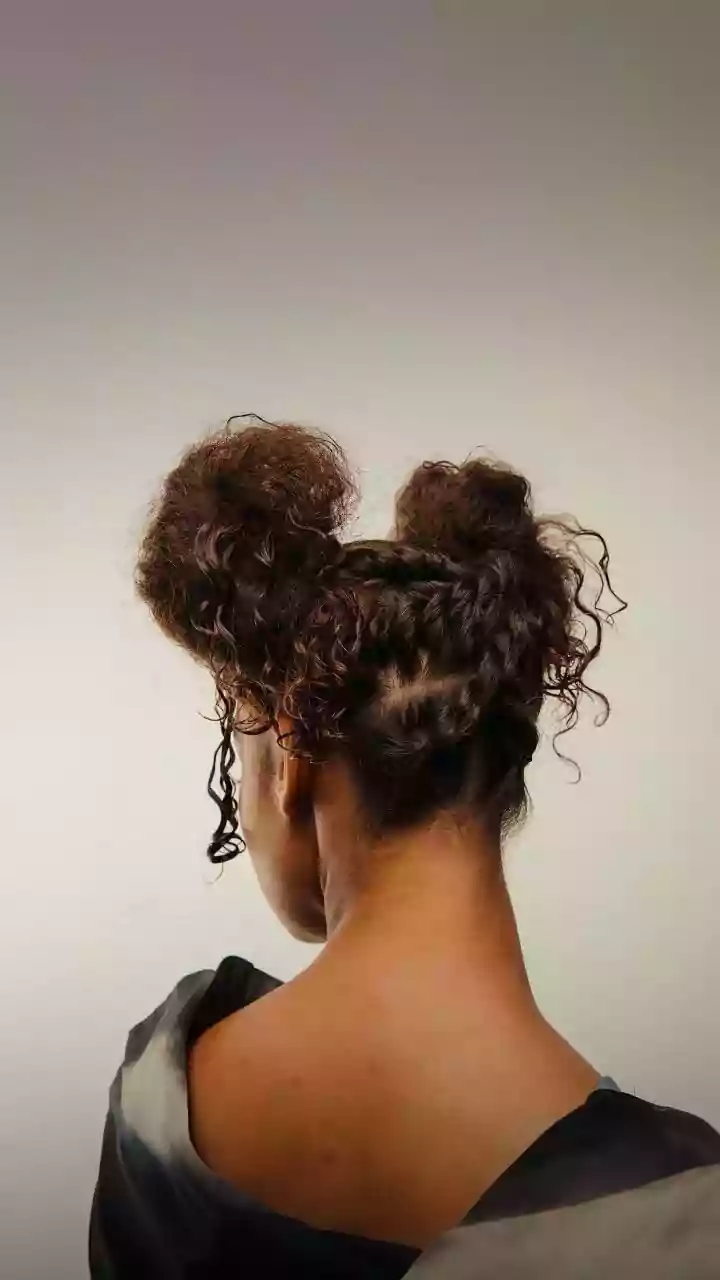
However, not everyone facing thinning hair is an ideal candidate for this surgical procedure. The success of a transplant hinges critically on the availability and health of the 'donor area,' typically located at the back of the scalp. This region must possess dense, robust hair follicles that are genetically resistant to balding. Women experiencing severe, widespread thinning across the entire scalp (diffuse thinning) or those with an active, inflamed scalp condition may not benefit from a transplant, as the donor hair might not be robust enough to survive the process. Conversely, women with localized thinning, a receding hairline, or hair loss due to traction alopecia (from tight hairstyles) are often excellent candidates. Additionally, women with stable Female Pattern Hair Loss (Androgenetic Alopecia) who maintain a strong donor area can expect remarkable, life-enhancing results. Careful assessment by a qualified surgeon is paramount to determine individual suitability.
The Recovery Road
Undergoing a hair transplant is a surgical intervention, and like any medical procedure, it involves a recovery period with potential side effects. One notable post-operative phenomenon is 'shock loss,' where both existing native hair and newly transplanted grafts may shed a few weeks after surgery. While this can be emotionally distressing, it's typically a temporary phase, and the hair generally regrows. Patients can also anticipate some temporary swelling and bruising, which may extend to the forehead and around the eyes for a few days. Itching is common as the small incisions heal, and it's crucial to resist the urge to scratch, as this can dislodge the delicate new grafts. Other expected discomforts include temporary numbness in the scalp, mild pain, and minor pinpoint bleeding, painting a realistic picture of the initial weeks following the procedure.
Potential Complications
Beyond the short-term, manageable side effects, it's important to be aware of rarer but potentially more serious complications associated with hair transplantation. Infections can occur if the healing sites become contaminated by bacteria. Folliculitis, characterized by inflamed, pimple-like bumps, or even cysts from ingrown hairs, can arise as new hair follicles begin to emerge through the skin. Scarring is an inevitable outcome of any hair transplant. The FUT (Follicular Unit Transplantation) method, which involves removing a strip of scalp, results in a linear scar at the back of the head. The FUE (Follicular Unit Extraction) technique, where individual follicles are harvested, leaves very small, dot-like scars. The visibility of these scars depends on individual healing patterns. An unnatural appearance is also a risk if the surgeon lacks experience; transplanted hairs might not align with the natural growth direction, or density might be inconsistently matched, leading to a patchy look. The most severe, though exceedingly rare, complication is scalp necrosis, a condition where a section of skin dies due to inadequate blood supply, often linked to heavy smoking or pre-existing vascular issues.
Women's Procedure Nuances
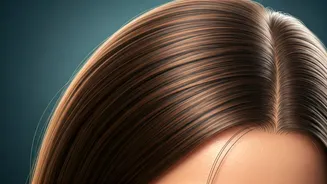
The approach to hair transplantation for women often involves a more refined technique compared to men. A significant advantage is that women usually do not need to shave their entire heads. Surgeons frequently employ 'no-shave' or 'minimal-shave' techniques, allowing the newly transplanted hair to be discreetly concealed by existing hair as it heals. This makes the recovery process less noticeable. Furthermore, the primary objective for female hair transplants is seldom about reconstructing an entirely new hairline. Instead, the focus is strategically placed on enhancing volume and density in areas experiencing thinning, such as a widening hair part. The goal is to restore a natural fullness and confidence to the hair, achieving a look that is both natural-looking and robust.