






Waking Up Myth
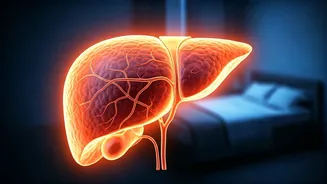
The notion that experiencing awakenings specifically between 1 AM and 3 AM is a direct indicator of liver distress is largely unfounded according to modern
medical understanding. While sleep disturbances can stem from various factors, a direct, scientifically proven link to liver problems during this precise time window has not been established. Rather, disruptions in sleep patterns are more frequently attributable to everyday stressors, anxiety, poor sleep hygiene practices, or even underlying metabolic conditions that affect overall sleep quality and duration. Therefore, attributing nocturnal awakenings solely to liver function is a common misconception that lacks robust scientific backing, leading to unnecessary worry for many individuals who experience this phenomenon.
Actual Liver Signs
While early liver damage often presents with subtle or vague symptoms, certain signs do warrant medical attention. Persistent, unexplained itching across the body, particularly if it intensifies at night, can be a medically recognized indicator of liver dysfunction, often linked to a buildup of bile salts in the bloodstream. This type of itching is more commonly associated with cholestatic liver diseases that impair bile flow, rather than early-stage fatty liver disease. Other potential, though often advanced, signs include significant bloating after meals, which advanced liver issues can cause due to fluid accumulation in the abdomen, and a decreased appetite, which is typically seen in more severe stages of liver disorders, contrary to the idea of not feeling satisfied after meals being an early sign.
Common Misconceptions
Certain other commonly cited symptoms for liver trouble, such as pain in the right shoulder or bloating after eating, often have weaker or indirect connections to actual liver health. While liver or gallbladder issues can occasionally cause referred pain to the shoulder, this is considered rare and often other factors like posture or muscle strain are the primary culprits. Similarly, bloating post-meal is frequently a symptom of gastrointestinal issues like indigestion or food intolerances, rather than a primary indicator of liver problems, which typically manifest as noticeable abdominal swelling and fluid buildup only in advanced stages. The idea that not feeling satisfied after meals is an early liver sign is also widely disputed, with appetite loss being more characteristic of later disease progression.