


Understanding Seasonal Rest
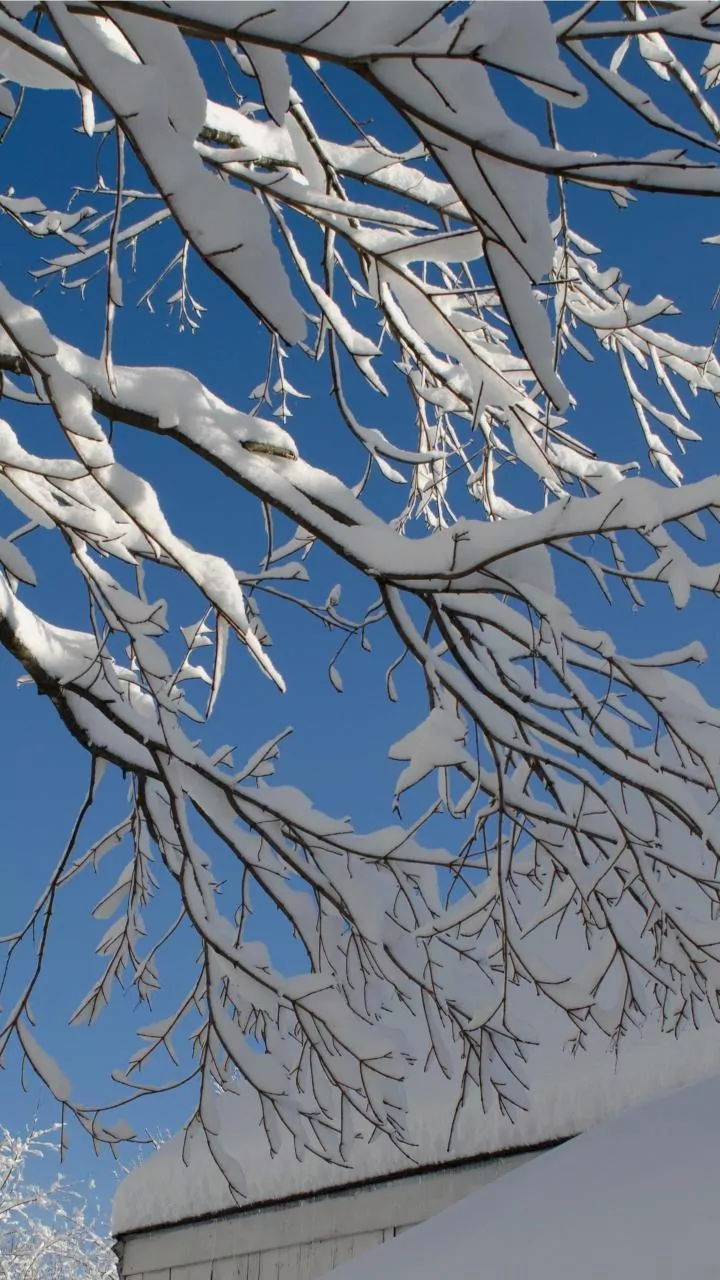
Many houseplants enter a 'rest season' during cooler months, particularly winter, where their growth naturally slows down. This period is crucial for their long-term
health, allowing them to conserve energy. During this time, they require different care than during their active growing phase. For instance, watering needs significantly decrease, as the soil takes longer to dry out due to lower temperatures and reduced evaporation. Overwatering is a primary concern, leading to root rot, a common killer of houseplants. Light requirements also shift, though often houseplants adapt to lower natural light by adjusting their growth rate. It's a time to be patient and observant, focusing on preventing common problems rather than encouraging rapid growth. This phase is a natural cycle, and by understanding and respecting it, you can prevent many issues that arise from treating a resting plant as if it's in its prime growth period.
Tackling Yellowing Leaves
Yellowing leaves on Ficus and Calathea plants are a common, albeit frustrating, sign of distress. For Ficus, this often stems from environmental changes, such as a sudden shift in temperature, drafts, or inconsistent watering. Overwatering is a frequent culprit, suffocating the roots and preventing them from absorbing nutrients. Conversely, underwatering can also cause leaves to turn yellow as the plant struggles to maintain hydration. Calatheas, known for their specific humidity and light needs, also exhibit yellowing leaves when these conditions aren't met. Insufficient humidity can cause their delicate foliage to dry out and turn yellow. Inconsistent watering can also trigger this response. Both plant types can also show yellowing leaves due to nutrient deficiencies, especially if they haven't been fertilized adequately during their growing season, or if the soil has become depleted. Addressing yellowing requires a diagnostic approach to pinpoint the exact cause, whether it's watering, light, humidity, or feeding.
Pest Patrol Strategies
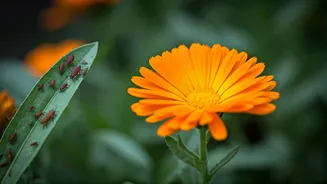
Aphids, tiny sap-sucking insects, can quickly overwhelm houseplants, leading to weakened plants and distorted growth. These pests often cluster on new growth and the undersides of leaves, feeding on plant juices. If left unchecked, they can reproduce rapidly, creating a significant infestation. To combat them effectively, manual removal is a good first step; you can simply wipe them off with a damp cloth or a cotton swab dipped in rubbing alcohol. For more persistent infestations, insecticidal soap or neem oil are excellent organic solutions that work by suffocating the aphids. Ensure thorough coverage, paying close attention to all plant surfaces, especially where the pests are concentrated. Regular inspection of your plants is key to catching infestations early, before they become unmanageable. Introducing beneficial insects, like ladybugs, can also be an effective natural control method in larger collections.
Winter Care & Fertilizing
Fertilizing houseplants during winter requires a cautious approach, as most plants are in a period of reduced activity. Pros generally advise against heavy fertilization during this time because the plant's metabolic rate is significantly lower. It can't effectively utilize the nutrients, potentially leading to fertilizer burn or root damage. For Holiday Cacti, which are often blooming or preparing to bloom in winter, a specific, diluted fertilizer might be beneficial, but only if they've been properly prepared for their blooming cycle. However, for the majority of houseplants, it's best to hold off on regular feeding until spring when active growth resumes. If you notice signs of deficiency, a very diluted, mild fertilizer can be used sparingly, but the primary focus should be on maintaining consistent watering and appropriate light, rather than pushing growth with nutrients.
Fixing Common Issues
Curling leaves on Satin Pothos can be attributed to several factors, often related to environmental stress. One common cause is inconsistent watering; both overwatering and underwatering can lead to this symptom. If the soil is too dry, the plant conserves moisture by curling its leaves. If it's too wet, root rot can occur, hindering the plant's ability to absorb water and nutrients, also resulting in curling. Low humidity is another significant trigger, especially in dry indoor environments common during winter. Insufficient light can also stress the plant, causing it to react by curling its leaves. Finally, sudden temperature fluctuations or drafts can shock the plant. Identifying the specific cause requires observing the plant's watering habits, environment, and overall health to make the necessary adjustments.
Bloom and Pruning Wisdom
The question of whether to cut the stem of an orchid after the flowers die depends on the type of orchid and your goal. For most common Phalaenopsis orchids, if the stem remains green, you can cut it back to just above a node (a small bump on the stem). This can sometimes encourage a second bloom, though the new flowers might be fewer. If the stem turns yellow or brown, it's best to cut it off at the base. For Japanese Maples, the timing of pruning is critical and depends on the specific variety and desired outcome. Generally, significant structural pruning is best done during the dormant season (late winter or early spring) before new growth begins. Light pruning to remove dead, damaged, or crossing branches can be done at various times, but harsh pruning in summer can stress the tree, and pruning in late fall might not allow wounds to heal before winter.
Proactive Houseplant Choices
Not all houseplants are suited for every home environment, especially for those who prefer a minimalist aesthetic or a low-maintenance approach. Pros often note that certain plants, while beautiful, can become unruly and demanding over time. For instance, large, fast-growing vines that require constant support and frequent repotting, or plants with extensive root systems that quickly outgrow their containers, might not fit the minimalist ideal. Plants that have very specific and sensitive needs for light, humidity, and water can also be a challenge for those seeking simplicity. Minimalists often gravitate towards architectural plants with simple forms or those that tolerate a range of conditions and have slower growth habits, ensuring they don't quickly become overgrown or require excessive attention.