


Understanding Split Ends
Split ends, medically termed trichoptilosis, are a common hair concern that arises when the hair's protective outer layer, the cuticle, becomes compromised.
This damage results in the hair shaft fraying and splitting into two or more distinct parts. According to dermatological experts, everyday hair care practices are frequently the primary culprits behind this issue. Factors such as excessive use of heat styling tools, frequent exposure to chemical treatments like perms or dyes, over-washing the hair, and the use of harsh shampoos can significantly weaken the hair. Beyond styling products, environmental stressors like prolonged sun exposure, air pollution, and high humidity levels also contribute to cuticle damage. Even seemingly minor habits, such as tying hair into very tight hairstyles or aggressively drying hair with a towel, can gradually weaken the strands, making them more susceptible to splitting over time.
The Repair Myth
A common misconception surrounding split ends is that they can be permanently repaired. Dermatologists emphasize that once a hair strand has split, it is irreversible. While numerous hair products on the market claim to mend split ends by 'sealing' them, these solutions offer only a superficial, temporary fix, making the hair appear smoother for a short duration. The only definitive and long-lasting method to address split ends is to physically remove the damaged portion through regular haircuts. Professional trimming prevents the split from propagating further up the hair shaft, which would lead to more extensive breakage and a less healthy overall appearance of the hair.
Managing Split End Appearance
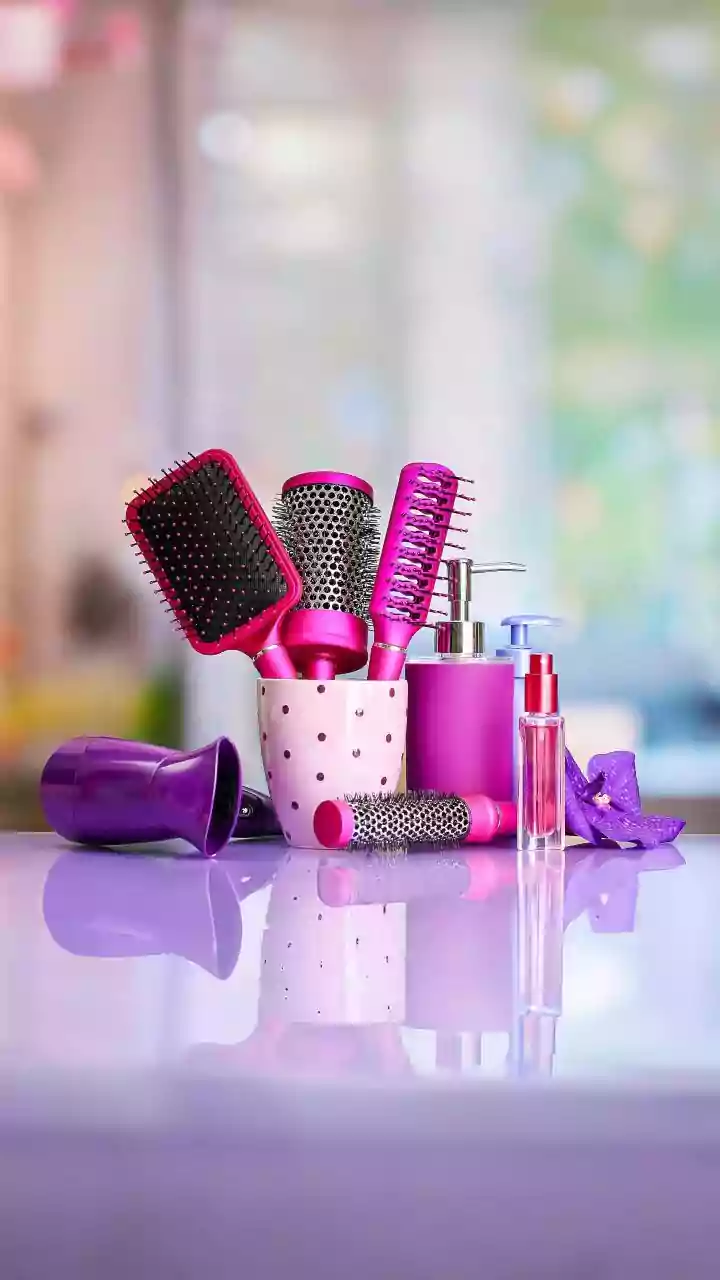
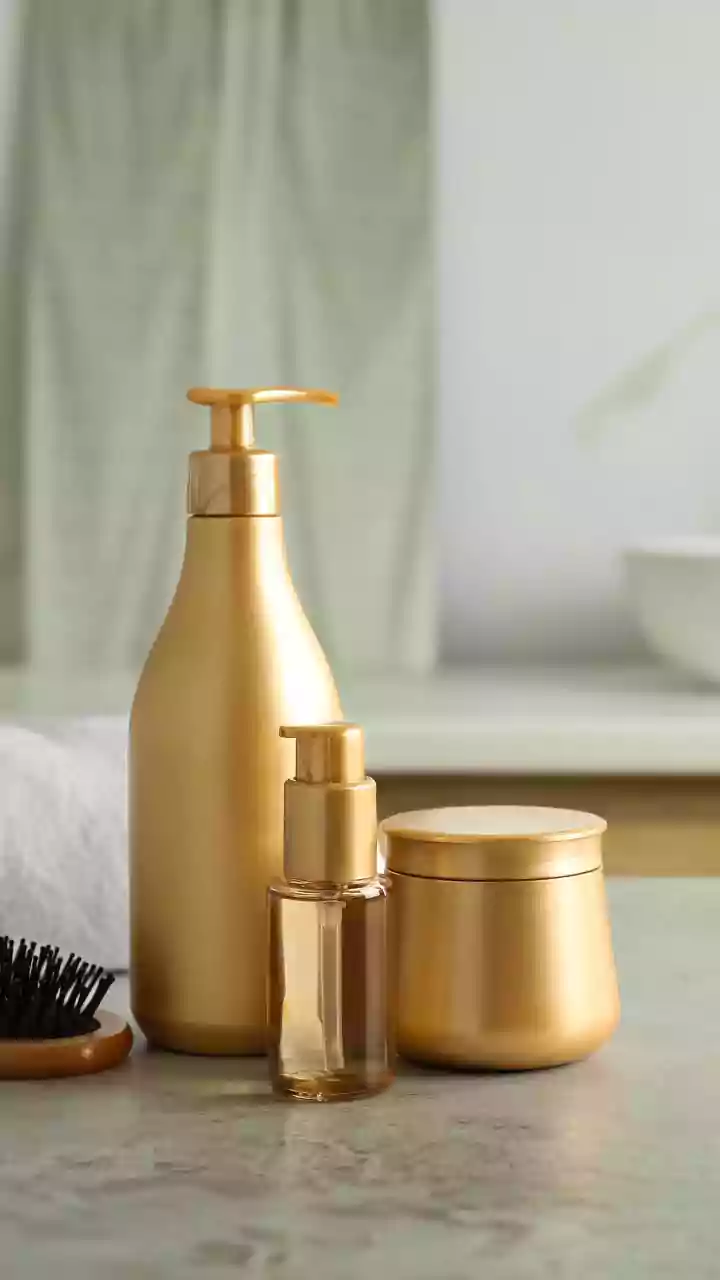
Although reversing split ends isn't possible, their appearance can be effectively managed and minimized with the right hair care approach. Dermatologists recommend starting with a gentle cleansing routine, opting for shampoos that are free from sulfates, followed by a rich, moisturizing conditioner. Incorporating a deep conditioning treatment or hair mask into your weekly routine can help replenish lost moisture and improve hair resilience. For daily smoothing and to reduce friction, applying a lightweight hair serum or a leave-in conditioner can be beneficial. Minimizing heat styling is also crucial; whenever heat is used, it's imperative to apply a heat protectant spray beforehand. Switching to a wide-tooth comb for detangling, particularly when hair is wet, and doing so gently, can significantly reduce breakage and the occurrence of split ends.
Preventative Hair Care
Prevention remains the most effective strategy for maintaining hair health and avoiding split ends altogether. Experts advise scheduling regular trims every 6 to 8 weeks to ensure the ends of the hair remain healthy and intact. Reducing the frequency of heat styling and limiting exposure to harsh chemical treatments are also vital steps in preventing damage. Protecting hair from environmental aggressors is equally important; this can involve covering your hair when exposed to intense sun or polluted environments. Utilizing silk or satin pillowcases can also help minimize friction while sleeping, which can contribute to hair breakage. Furthermore, internal health plays a significant role. A balanced diet rich in protein, vitamins, and essential minerals supports hair from within. Staying adequately hydrated and managing stress levels are also key factors in promoting overall hair quality and resilience against damage like split ends.