





Spring's Sakura Bloom
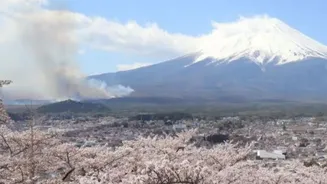
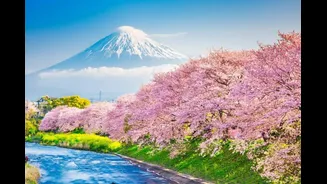
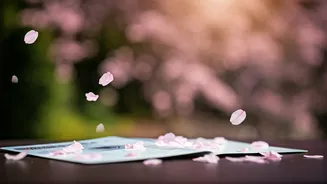
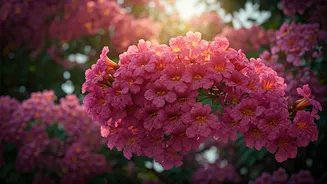
Spring in Japan is synonymous with the ephemeral beauty of the cherry blossoms, or sakura. The blooming season, which typically begins in late March and
extends through April, transforms the landscape into a sea of pink and white. Travelers and locals alike flock to parks and gardens to partake in 'hanami,' the traditional custom of enjoying picnics under the blossoming trees. Major cities like Tokyo and Kyoto, as well as smaller towns across the country, become vibrant hubs of celebration. The fleeting nature of the blossoms makes each viewing a special occasion, with forecasts closely watched to catch the peak bloom. In addition to hanami, spring is also the season for various cultural events, such as the Golden Week holidays at the end of April and early May. These holidays offer opportunities to explore traditional festivals, enjoy regional cuisine, and immerse oneself in the country's rich culture. The climate during springtime is mild, providing ideal conditions for outdoor activities and sightseeing. The air is fresh, and the natural beauty of Japan is at its peak. Whether it’s a leisurely stroll through a park or an adventurous hike in the mountains, springtime presents many opportunities to experience Japan's beauty.
Summer's Festive Spirit
Summer in Japan is characterized by its vibrant festivals and lively atmosphere. The warm weather creates a perfect environment for outdoor events, including traditional matsuri, which bring communities together. These festivals often feature music, dance, and food stalls, creating a festive environment. The Aomori Nebuta Festival is one of the most famous summer festivals. This festival features gigantic illuminated floats, depicting historical figures and mythological creatures, parading through the streets. Watching the Nebuta floats, accompanied by lively music and chants, is an unforgettable experience. In addition to the Nebuta Festival, summer in Japan hosts many other festivals, each with unique themes and traditions. From fireworks displays to religious celebrations, these events offer insight into Japanese culture and provide opportunities for entertainment and cultural immersion. The humidity during summer is high, so staying hydrated and seeking shade is important when enjoying outdoor activities. Despite the heat, the summer season provides plenty of enjoyment, including exploring the outdoors, tasting seasonal delicacies, and soaking up the lively culture that defines Japan.
Autumn's Gastronomic Delights
Autumn in Japan provides a beautiful mix of cooler temperatures and the changing colors of the leaves. This is a culinary paradise as the harvest season introduces a wealth of seasonal ingredients. The change in the season brings about a feast for the senses, with various dishes created using these fresh ingredients. From the mountains, the autumn foliage transforms, making places like Kyoto's Arashiyama Bamboo Grove and Nikko's shrines look incredibly beautiful. The vibrant colors of red, orange, and yellow foliage contrast beautifully with the landscape, creating picture-perfect moments. Enjoying the scenic beauty while savoring traditional autumn dishes is a quintessential Japanese experience. Dishes such as matsutake mushrooms, chestnuts, and sweet potatoes are staples in this season. The combination of culinary delights and the stunning scenery makes autumn an incredible time to be in Japan, offering a unique blend of experiences that delight both the taste buds and the eyes. Whether you are exploring historical sites or enjoying the outdoors, autumn in Japan provides a fantastic mix of cultural events and delicious foods.
Winter's Ice and Snow
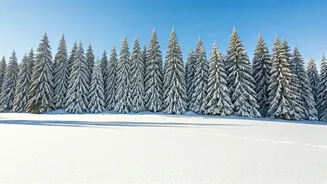
Winter in Japan is a time of enchanting snowfall, creating stunning landscapes, especially in the northern regions. Famous for its heavy snowfall, Hokkaido offers the perfect backdrop for winter sports like skiing and snowboarding, which attracts visitors from all over the world. The snow-covered mountains provide a thrilling setting for adventurous activities. In addition to winter sports, winter also has several cultural events. The Sapporo Snow Festival is a prominent event, showcasing large snow and ice sculptures that attract people worldwide. Witnessing these intricate sculptures, illuminated at night, is a sight to behold. Enjoying a hot onsen (hot spring bath) amidst the winter chill is a quintessential Japanese experience. The contrast between the cold air and the warmth of the natural hot springs provides unmatched relaxation and rejuvenation. Whether you are seeking adventure on the slopes, exploring cultural festivities, or looking for relaxation, winter in Japan offers a wide range of captivating experiences.