







Cultural Diet, New Approach
Embarking on a significant weight loss journey often brings to mind drastic dietary shifts, but for one dedicated fitness coach, the path to shedding 22
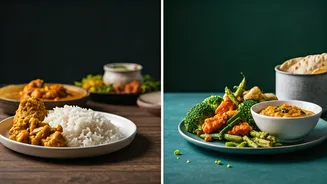
kilograms was paved with mindful modifications to his beloved Tamil cuisine. The core philosophy was not to abandon his cultural food heritage, but rather to reimagine it through a healthier lens. This involved a deep understanding of traditional ingredients and cooking methods, followed by strategic adjustments to enhance nutritional value and reduce caloric density. The transformation highlights how familiar flavors and dishes can be retained while making them more conducive to weight management, proving that cultural authenticity and health goals can coexist harmoniously. This adaptive strategy allowed for sustained adherence, as the psychological barrier of giving up cherished meals was overcome by embracing them in a revitalized form.
Smart Swaps for Health
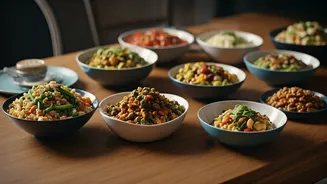
The journey to a 22 kg weight loss was significantly influenced by a series of intelligent substitutions within the familiar framework of Tamil meals. Instead of relying on high-glycemic white rice, a preference was cultivated for whole grains like brown rice or millet-based preparations, offering increased fiber and a slower release of energy. Deep-fried snacks and savory items were gradually replaced with baked, steamed, or air-fried alternatives, drastically cutting down on unhealthy fats. For instance, 'vadais' or 'bajji' might be reimagined as oven-baked lentil patties or vegetable fritters with minimal oil. Sauces and gravies, often thickened with excessive oil or refined flour, were instead enriched with pureed vegetables or natural thickeners, while coconut milk, a staple, was used more judiciously or replaced with lighter alternatives where appropriate. This thoughtful reengineering of ingredients ensured that the essence of Tamil flavors remained, but with a much-improved macronutrient profile and reduced calorie count, making the dietary changes sustainable and enjoyable.
Portion Control & Balance
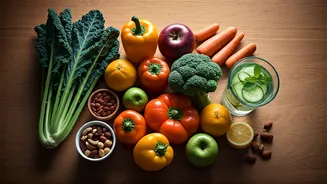
Beyond ingredient substitutions, a pivotal element in the coach's successful 22 kg weight loss was the meticulous implementation of portion control and achieving a balanced nutritional profile within his modified Tamil diet. Rather than simply eating less of everything, the focus shifted to consuming the right quantities of each food group. This meant consciously limiting the intake of carbohydrate-heavy dishes, even healthier whole-grain versions, and increasing the proportion of protein-rich dals, lean meats, and a wider variety of vegetables in each meal. Ensuring adequate fiber intake through ample servings of leafy greens, gourds, and beans contributed to satiety, reducing the urge for unhealthy snacking. Hydration also played a crucial role, with water being prioritized over sugary beverages often found in traditional meal accompaniments. This balanced approach ensured that all essential nutrients were consumed, preventing deficiencies and supporting the body's metabolic functions effectively, all while respecting the cultural context of his diet.