






Bundelkhand's Silk Treasure
India's textile landscape is incredibly diverse, boasting regional weaving techniques, each with its own historical narrative and cultural importance.
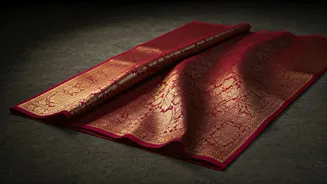
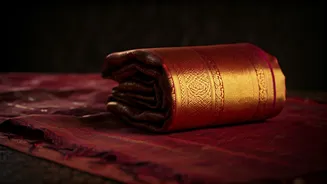
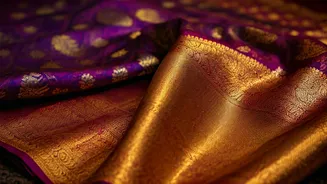
While renowned weaves like Banarasis and Kanjeevarams often capture global attention, a multitude of other traditional textiles continue to flourish locally, deserving of wider recognition. Among these hidden treasures is the Lalitpur zari silk saree, originating from the Bundelkhand region. This particular weave hails from the town of Lalitpur, situated in the heart of Madhya Pradesh, an area celebrated for its ancient crafts, historical forts, and magnificent temples. Nestled at the border of Uttar Pradesh and Madhya Pradesh, Lalitpur has been a cradle for weaving communities who have diligently safeguarded this distinctive artistry for generations. The sarees are distinguished by their opulent zari embellishments and a remarkable fabric resilience, making them a unique and enduring part of Indian sartorial heritage.
The Art of Zari and Silk
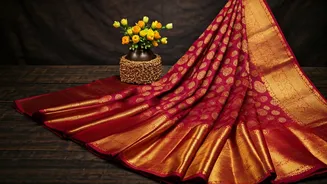
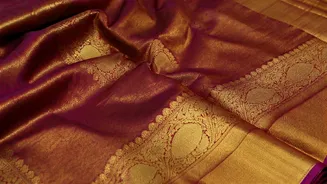
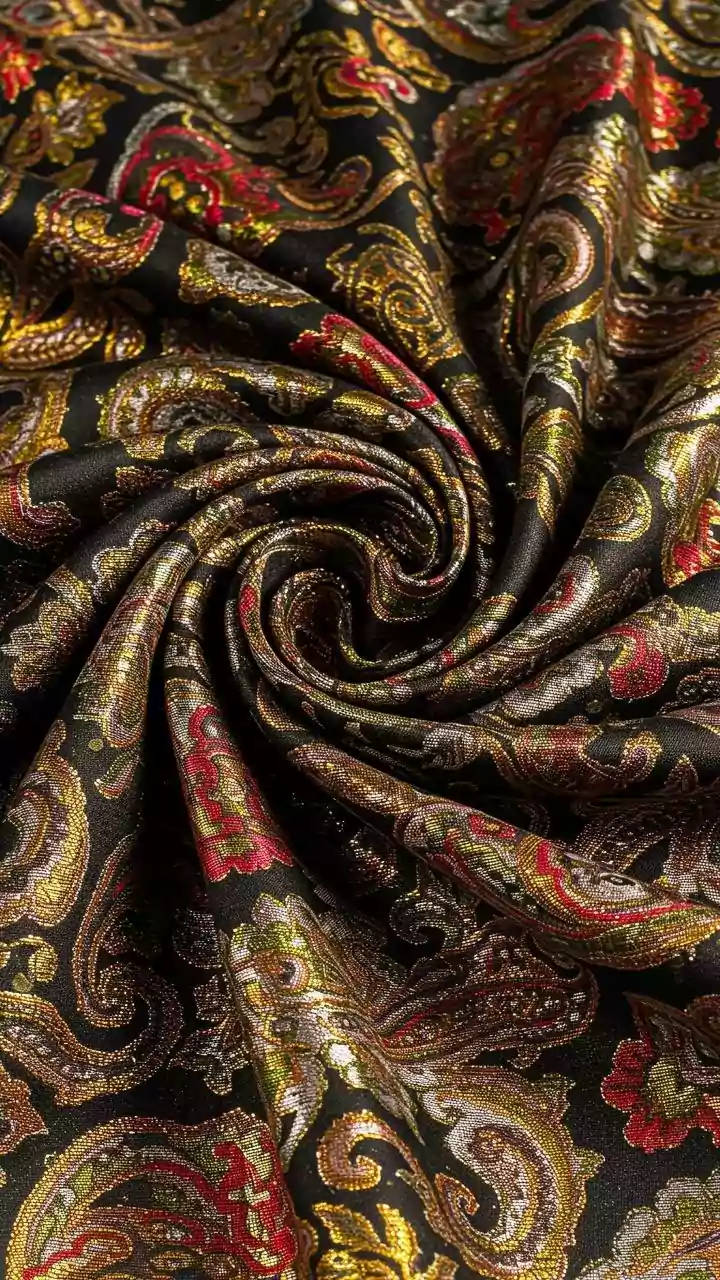
The hallmark of the Lalitpur zari silk saree lies in the masterful interweaving of lustrous zari threads with fine silk fabric. This distinctive combination results in drapes that possess a wonderfully soft yet structured feel. The traditional motifs, meticulously crafted using zari, are elegantly incorporated into the borders and the pallu, the decorative end panel of the saree. These intricate patterns draw inspiration from the natural world, the architectural grandeur of regional buildings, and the exquisite temple carvings prevalent in the area. The color palette typically employed is dominated by the gleaming hues of gold and silver, which serve to dramatically accentuate the intricate zari detailing. This careful interplay of material and design creates sarees that are both visually stunning and a testament to the skill of the artisans.
Crafting the Weave
The creation of these exquisite sarees is a labor-intensive process that involves numerous meticulous steps. It commences with the preparation of the silk yarn, which includes thoroughly cleaning the raw silk threads, followed by dyeing them in rich colors, and then carefully winding them onto spools. Following this, the artisans engage in design planning, mapping out the precise placement of motifs and patterns before the actual weaving commences. Next, the handloom is meticulously set up by the artisans, preparing the warp and weft threads for the intricate work ahead. The crucial stage of zari weaving, where metallic threads are carefully inserted, follows, skillfully forming the borders and embedding the elaborate motifs. The final steps involve finishing and polishing each piece to perfection. The entire process for a single saree can take several days to complete, underscoring the dedication and time invested by the craftspeople.
Challenges and Future
Despite its exceptional craftsmanship and unique aesthetic, the Lalitpur weave struggles to gain widespread recognition. This is largely attributed to limited marketing efforts compared to major textile centers, the presence of smaller, fragmented weaving clusters, a lack of broad national exposure, and intense competition from mass-produced, machine-made textiles. However, in an era increasingly focused on sustainable fashion, slow craftsmanship, and the appreciation of regional textiles, there is a growing consumer interest that offers a glimmer of hope for the future of this craft. This shift towards conscious consumption could pave the way for a resurgence, allowing these beautiful, handcrafted sarees to find the audience and appreciation they truly deserve.