






Reviving Old Techniques
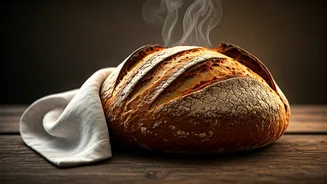
Artisanal bakers are increasingly turning to a long-forgotten kitchen staple: the damp kitchen cloth, for perfecting the dough proofing process. This method,
steeped in tradition, combats the pervasive issue of dry air in modern homes, which often leads to unappealing, leathery crusts on home-baked bread. By creating a microclimate that is both breathable and moisture-retaining, this simple fabric allows dough to ferment and develop optimally. The result is a loaf with a beautifully soft interior and a consistently desirable crust, moving away from the less effective methods of plastic wrap or specialized lids. This rediscovered technique highlights the enduring wisdom of older baking practices and their ability to produce superior results with minimal fuss.
The Science of Proofing
The magic of baking truly begins during the proofing stage, where humble ingredients transform into a vibrant, fermenting dough. A significant challenge for home bakers is the dry atmosphere of their kitchens, which can form an undesirable crust on the dough's surface, impeding its ability to rise. This is where the damp cloth plays a critical role, acting as a protective yet permeable barrier. It shields the dough from drafts and moisture loss, crucial for the yeast's activity. Scientific studies, such as one published in 'Foods,' underscore the importance of hydration distribution for dough's elastic behavior and softness. Maintaining optimal moisture prevents the dough from becoming too stiff, a phenomenon known as reduced extensibility, as explored in research from 'Food Chemistry.' The consistent environment provided by the cloth also aids in maintaining a uniform temperature, signaling well-executed baking skills and ensuring a proper, even rise.
Material Matters Most
Not all fabrics are created equal when it comes to safeguarding your dough during its crucial resting period. While many bakers might grab any available tea towel, the material's properties significantly influence the outcome. Research, including studies highlighted by the 'Journal of Food Engineering,' reveals that as cloths age and undergo laundering, their surface fibers change, impacting how the dough interacts with them. Smoother materials like finely woven linen or polyester generally outperform rougher cottons. This is because they allow the dough to 'breathe' effectively without the risk of snagging, which can disrupt the delicate surface. For optimal results, a slight dampening of the cloth before use is recommended, mimicking the controlled humidity found in professional bakery proofing ovens. Moreover, maintaining these cloths properly—by brushing off excess flour and avoiding harsh, fragranced detergents—is vital for preventing dough damage and ensuring a clean, subtle scent in your finished bread.
Sustainable Baking Benefits
Embracing the damp cloth method for proofing dough offers more than just superior bread; it champions a more sustainable approach to baking. By opting for fabric over disposable plastic wraps, bakers significantly reduce their household waste. This practice also serves to keep alive ancient baking wisdom, acknowledging that patience and the right tools, like a well-chosen linen cloth, are integral to achieving baking success. Understanding the living nature of dough and providing it with a protected, nurturing environment allows the yeast to thrive. This conscious choice not only enhances the texture and crust of your bread but also contributes to more environmentally friendly kitchen habits, reinforcing the idea that good bread starts with a respect for ingredients and a connection to time-honored techniques.