





Early Fork Limitations
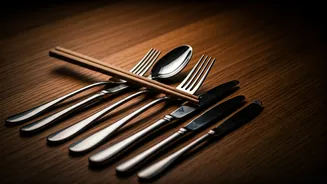
Imagine a time when your fork looked quite different, often featuring just two prongs. While this design was adequate for spearing chunks of meat, it proved
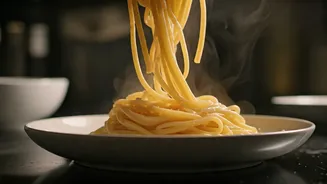
rather inefficient for other kinds of food. Dishes like delicate noodles or individual grains of rice would easily tumble off, leading to a less than satisfying dining experience. As culinary traditions evolved, particularly with the rising popularity of pasta in Italy, the limitations of these early forks became increasingly apparent. The need for a more sophisticated utensil that could better manage a wider variety of food textures and shapes was becoming a pressing issue for cooks and diners alike.
The Three-Pronged Attempt
In response to the shortcomings of the two-pronged fork, a new iteration emerged: the three-pronged design. This represented a step forward, offering a bit more stability and surface area for holding food. However, even this improved design wasn't the ultimate solution. While it could manage some foods better than its predecessor, it still struggled with certain items, particularly those requiring a more secure grip or the ability to scoop. The quest for a truly versatile and efficient fork continued, as chefs and home cooks alike sought a utensil that could adapt to the diverse and increasingly complex array of dishes being prepared and enjoyed.
Gennaro Spadasini's Innovation
The culinary world owes a significant debt to Gennaro Spadasini, a designer from Naples who, in the 18th century, introduced a design that would revolutionize cutlery: the four-pronged fork. This addition of a fourth prong was not merely ornamental; it was a stroke of functional genius. The increased number of prongs provided enhanced stability and control, allowing diners to more securely pierce, lift, and hold a wider range of foods. This innovative design quickly gained favor and began its journey to becoming the universally accepted standard for forks that we recognize and use today in dining establishments across the globe.
Versatility of Four Prongs
The enduring success of the four-pronged fork lies in its remarkable versatility and practical utility. These four tines offer superior grip and support, making the task of eating foods like spaghetti, thin noodles, or even individual grains of rice significantly easier and less prone to slippage. While forks with more than four prongs have been conceived, they often suffer from being overly bulky and less maneuverable, diminishing their practicality in everyday use. The subtle curve of the standard four-pronged fork also plays a crucial role, acting as a gentle cradle to keep food from sliding off before it reaches your mouth, a testament to its thoughtful, user-centric design.