






Understanding Slipped Discs
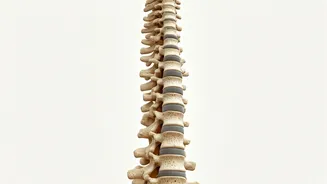
A slipped disc, also known as a herniated disc, occurs when the soft cushioning material between the vertebrae in the spine pushes out of its normal position.
This can happen due to wear and tear, injury, or age-related degeneration. It is a common cause of back pain, and the symptoms can range from mild discomfort to severe pain, numbness, and weakness in the affected area. The location of the slipped disc dictates where the pain is felt, affecting the lower back, neck, arms, or legs. Understanding this condition is the first step toward finding effective relief and management strategies to improve one's quality of life. The disc's protrusion can irritate nearby nerves, leading to pain radiating along the nerve pathway.
Initial Treatment Approaches
The initial approach to treating a slipped disc often involves conservative methods aimed at managing pain and promoting healing. These include rest, which helps reduce inflammation, and over-the-counter pain relievers such as ibuprofen or naproxen to reduce pain and swelling. Physical therapy plays a crucial role, with exercises designed to strengthen the back muscles, improve posture, and alleviate pressure on the disc. Applying heat or cold packs can also provide comfort and help reduce pain. In some cases, a doctor might prescribe stronger medications, like muscle relaxants or prescription pain relievers, for short-term relief. These treatments are usually successful in alleviating the symptoms of a slipped disc over time.
Exploring Stem Cell Therapy
Stem cell therapy is one of the more modern approaches explored for treating slipped discs, although its effectiveness is still under research. The basic idea is to inject stem cells into the affected area, where they may promote healing and regeneration of damaged disc tissue. The stem cells might help reduce inflammation, relieve pain, and possibly even repair the damaged disc. While some patients report positive outcomes, the evidence is still limited, and the long-term effectiveness and potential risks are not fully understood. More research is needed to determine the best use of this treatment and to understand which patients might benefit most. The cost of stem cell therapy can also be a significant factor, along with the availability of qualified practitioners.
Other Potential Treatments
Beyond medication, physical therapy, and stem cell therapy, there are other treatments to consider for slipped discs. Epidural steroid injections are sometimes used to reduce inflammation and relieve pain directly at the site of the disc. Chiropractic adjustments can also be helpful for some patients, improving spinal alignment and reducing nerve pressure. In severe cases where conservative treatments fail, surgery might be necessary. This could involve removing the damaged portion of the disc (discectomy) or fusing the vertebrae to stabilize the spine. Discussing all potential treatments, their risks, and benefits with a healthcare professional is important before making any decisions. The choice of treatment always depends on the individual's specific situation, the severity of the symptoms, and the underlying cause of the slipped disc.
Lifestyle Adjustments for Relief
Several lifestyle adjustments can help manage and prevent slipped disc pain. Maintaining a healthy weight reduces strain on the spine, while regular exercise strengthens back muscles, supporting the spine. Practicing good posture when sitting, standing, and lifting is very important. Proper lifting techniques are crucial; bend at your knees and keep your back straight to avoid putting excessive stress on the spine. Avoiding activities that aggravate the pain is essential for recovery. A healthy lifestyle, including a balanced diet and regular exercise, can improve overall well-being and support spinal health. Additionally, incorporating stress-reduction techniques can help minimize muscle tension and pain.
When to Seek Help
It is essential to know when to seek professional medical attention for a slipped disc. If the pain is severe, does not improve with home treatments, or is accompanied by neurological symptoms such as numbness, tingling, or weakness in the legs or feet, immediate medical advice should be sought. Loss of bowel or bladder control is a red flag and requires emergency medical care. Persistent pain that interferes with daily activities or sleep also warrants a visit to a doctor. Early diagnosis and treatment are important to prevent complications and to improve the chances of a successful recovery. A healthcare professional can accurately diagnose the condition, rule out other causes of pain, and recommend the most appropriate treatment plan.