







The Microbial Hideout
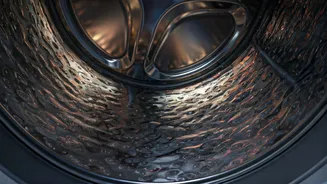
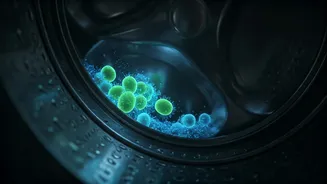
Believe it or not, the appliance designed to clean your clothes can actually harbor microscopic organisms that cause unpleasant smells. Modern washing
machines, especially those using lower temperatures for energy efficiency and gentler fabric care, create an ideal environment for bacteria and oils to flourish. These microbes aren't just fleeting visitors; they form resilient communities, known as biofilms, that stick to the machine's interior surfaces, including door seals and detergent dispensers. These tenacious colonies feed on detergent residue and fabric oils, breaking them down and releasing volatile compounds that translate into that frustrating "damp" or "vinegary" odor that clings to your seemingly clean laundry. What was once a simple hot wash that sterilized the machine has evolved into a cooler cycle that inadvertently allows these microbial communities to thrive and multiply between washes, making your washing machine a miniature, unseen ecosystem.
Biofilm: The Odour Architects
The persistent "permastink" often associated with laundry is largely a result of these pervasive biofilms. Think of them as miniature, self-sustaining cities within your washing machine, coating everything from rubber seals to hard-to-reach internal components. These microbial colonies are remarkably adept at protecting themselves from the detergents we use, secreting a slimy matrix that acts as a shield. Scientific research has revealed that these biofilms aren't passive inhabitants; they actively metabolize the residues left behind by your clothes and the cleaning agents. This metabolic process generates compounds, like volatile sulfur compounds and fatty acids, which are the very source of that stale, "old laundry" smell. Because these biofilms are resistant to drying out, they survive the periods between washes, waiting to re-contaminate your next load of laundry, perpetuating the cycle of unpleasant odors and creating a constant battle against freshness.
Fabric's Role in Smell
Beyond the machine itself, the very fabric of your clothes can contribute to lingering odors. While natural fibers like cotton tend to release residues and clean relatively easily, synthetic materials, such as polyester, present a different challenge. These fabrics possess hydrophobic properties, meaning they repel water while readily absorbing oils. This characteristic allows the metabolic byproducts of microorganisms to latch onto the fabric fibers and accumulate over time. Consequently, even after a wash cycle, these trapped compounds remain. When your clothes are worn and heated, these embedded substances are released, reactivating the unpleasant smells. This phenomenon means that even a freshly laundered garment made from synthetic materials can quickly develop a musty or stale odor due to the fabric's inherent ability to hold onto odor-causing residues, creating a continuous cycle of re-odorization.
Breaking the Contamination Cycle
A critical, yet often overlooked, aspect of laundry hygiene is the significant presence of bacteria on supposedly clean garments, originating from the washing machine itself rather than the wearer. This problem is exacerbated in machines with well-established microbial populations, turning the laundry process into a redistribution system for microorganisms. Studies investigating microbial cross-contamination have highlighted how shared or public washing machines can harbor a wide variety of viable microbes. Factors such as machine design and cleaning frequency play a crucial role in how many microbes are transferred back onto your clothes. Alarmingly, some opportunistic pathogens can even survive low-temperature cycles, posing not just a hygiene risk but also contributing to the persistent odor issue. To effectively combat this, a monthly "hot reset" is recommended: run your washing machine at a minimum of 60°C with bleach to eradicate existing biofilms. Additionally, ensuring the machine's door is left ajar after each wash promotes ventilation and helps prevent moisture buildup, thus breaking the cycle of contamination.